15 Minimalist Home Decor Ideas for a Simple and Clutter-Free Space
Struggling with cluttered spaces that feel overwhelming instead of relaxing? You’re not alone. Many homes today are filled with too many items, making it hard to create a calm and peaceful environment. That’s where minimalist home decor ideas come in.
Minimalism isn’t about having less for the sake of it, it’s about making room for what truly matters. By focusing on clean lines, intentional design, and thoughtful decor, you can transform your home into a space that feels open, breathable, and beautifully organized.
In this guide, you’ll discover minimalist home decor ideas that help you create a simple and clutter-free space without sacrificing style. Whether you love Scandinavian calm, Japandi warmth, or modern elegance, these ideas will help you design a home that feels both functional and elevated.
Idea #1: Neutral Color Foundations for a Calm Base
A minimalist home starts with a neutral color palette that instantly creates a sense of calm and openness. Shades like soft white, warm beige, taupe, and light gray provide a clean foundation that allows your space to breathe visually.
Neutral tones work so well because they reflect natural light, making rooms appear brighter and more spacious. Instead of overwhelming the eye, these colors create harmony and balance, which is essential in minimalist design.
To apply this idea, begin with your walls and larger furniture pieces such as sofas or rugs. Choose cohesive tones to maintain consistency throughout the space. You can add subtle contrast through textures like linen cushions or wool throws rather than bold colors.
Key elements include light-colored walls, neutral sofas, soft rugs, and simple curtains. This approach works beautifully in living rooms, bedrooms, and even small apartments where openness is key.
Idea #2: Decluttered Surfaces with Intentional Styling
Minimalism thrives on clean, uncluttered surfaces that feel intentional rather than empty. Instead of filling every table or shelf, focus on a few carefully chosen decor pieces that add meaning and style.
This works because visual clutter creates mental stress, while simplicity promotes relaxation. A clean coffee table or console instantly makes your home feel more organized and sophisticated.
To achieve this, remove unnecessary items and keep only essentials or meaningful decor. Style surfaces with one or two items such as a ceramic vase, a stack of books, or a sculptural object.
Best elements include marble trays, minimal vases, and simple decorative objects. This idea is perfect for coffee tables, nightstands, and entry consoles where less truly becomes more.
Idea #3: Functional Furniture with Clean Lines
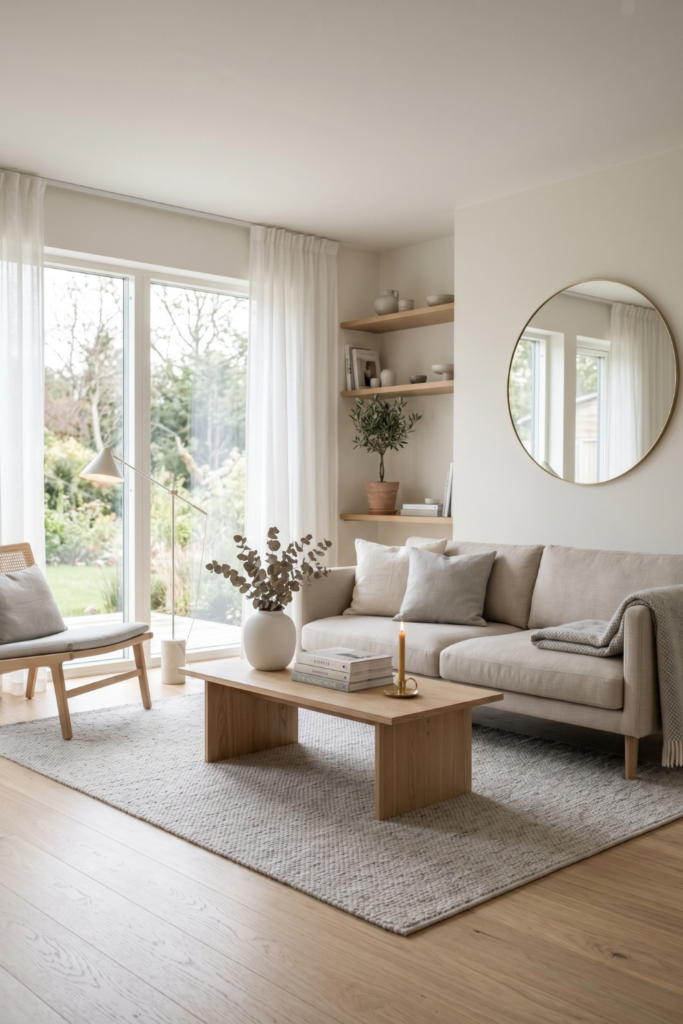
Minimalist interiors rely heavily on furniture that is both functional and visually simple. Pieces with clean lines, smooth finishes, and subtle detailing create a refined and uncluttered look.
This style works because it eliminates visual noise. Bulky or overly detailed furniture can make a space feel crowded, while streamlined designs enhance openness.
Choose furniture that serves multiple purposes, such as storage ottomans or sleek shelving units. Stick to low-profile sofas, simple bed frames, and clean dining tables.
Materials like light wood, matte metal, and soft upholstery work best. This approach is ideal for small spaces where every piece needs to be both practical and stylish.
Idea #4: Hidden Storage for a Clean Look
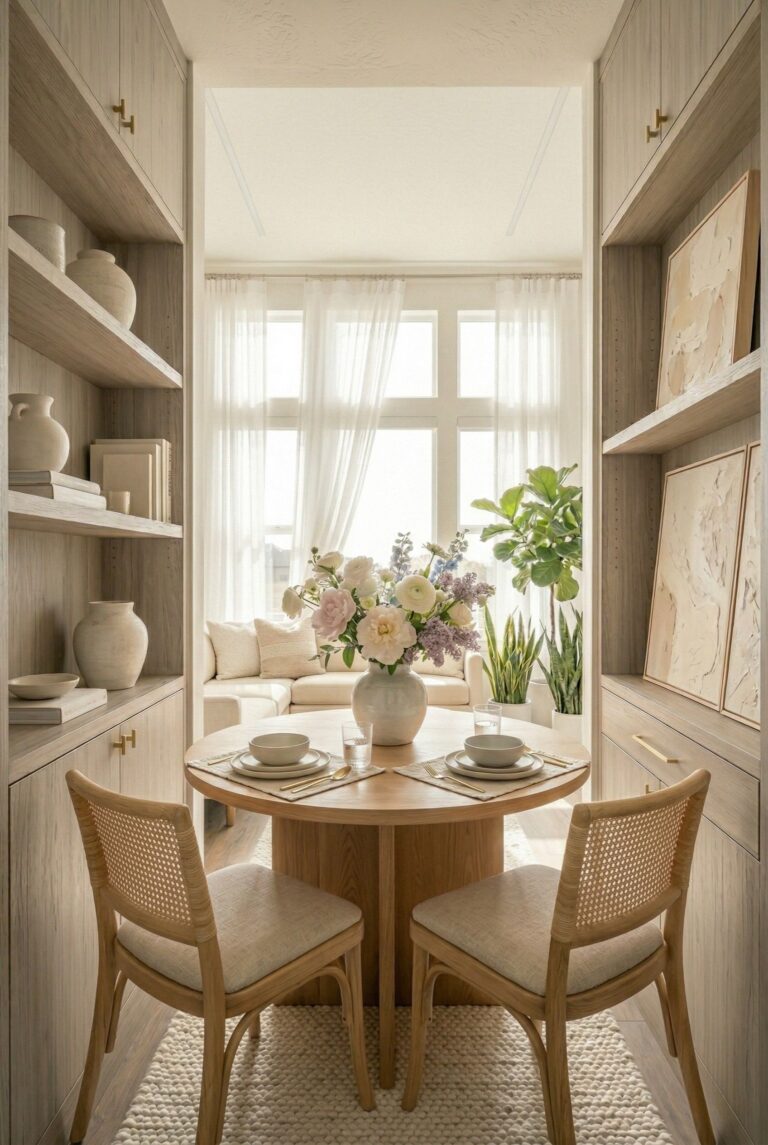
One of the secrets to a clutter-free home is smart storage that keeps everyday items out of sight. Hidden storage solutions allow you to maintain a clean aesthetic without sacrificing functionality.
This works because it removes distractions from your visual space. When items are tucked away, rooms feel more open and organized.
Incorporate built-in cabinets, under-bed storage, and furniture with hidden compartments. Use baskets and storage boxes that match your color palette for a seamless look.
Key elements include storage benches, closed cabinets, and modular shelving. This idea works especially well in bedrooms, living rooms, and small apartments.
Idea #5: Natural Light as a Design Element
Minimalist spaces rely heavily on natural light to enhance openness and simplicity. Large windows, sheer curtains, and unobstructed light sources create a bright and airy atmosphere.
Natural light works as a design feature because it highlights textures, softens colors, and adds warmth without adding clutter.
To maximize light, avoid heavy curtains and instead opt for sheer or light-filtering fabrics. Keep window areas clean and free from bulky furniture.
Key elements include large windows, light curtains, and reflective surfaces like mirrors. This idea transforms any space into a calm and inviting environment.
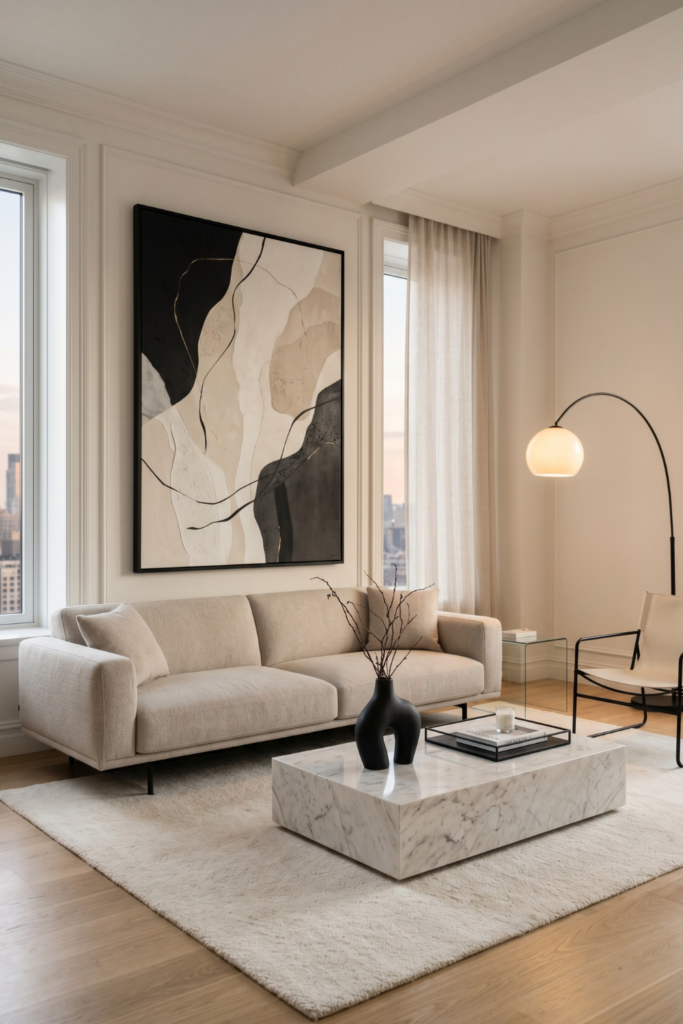
Idea #6: Minimal Decor with Maximum Impact
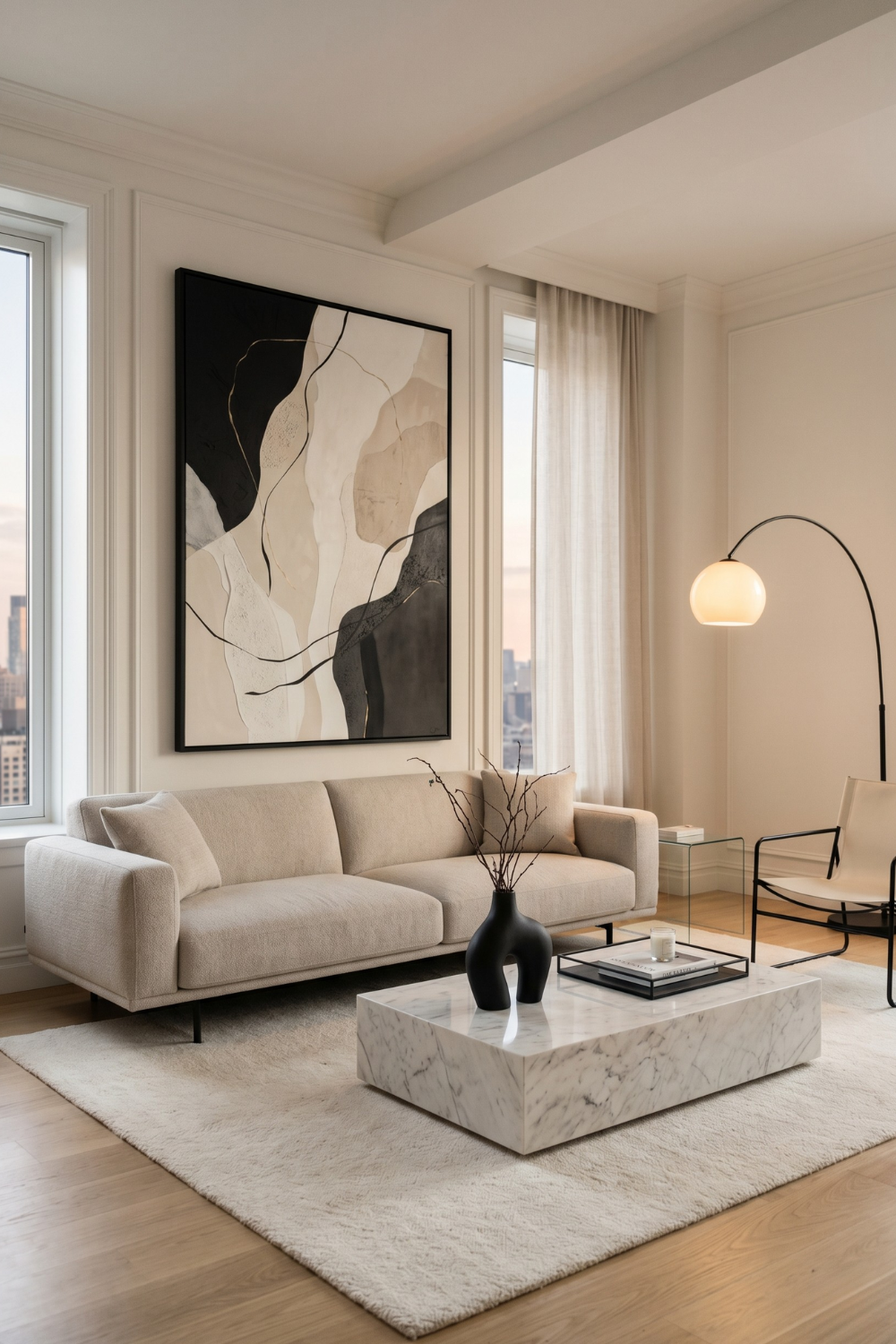
Instead of filling your home with decor, focus on a few standout pieces that create visual interest. This approach emphasizes quality over quantity.
It works because each piece gets the attention it deserves, making the space feel curated and intentional rather than crowded.
Choose statement items like oversized artwork, a sculptural lamp, or a unique chair. Keep the surrounding area simple to let these pieces shine.
Best elements include abstract art, modern lighting, and statement decor. This works beautifully in living rooms and entryways.
Idea #7: Soft Textures for Warm Minimalism
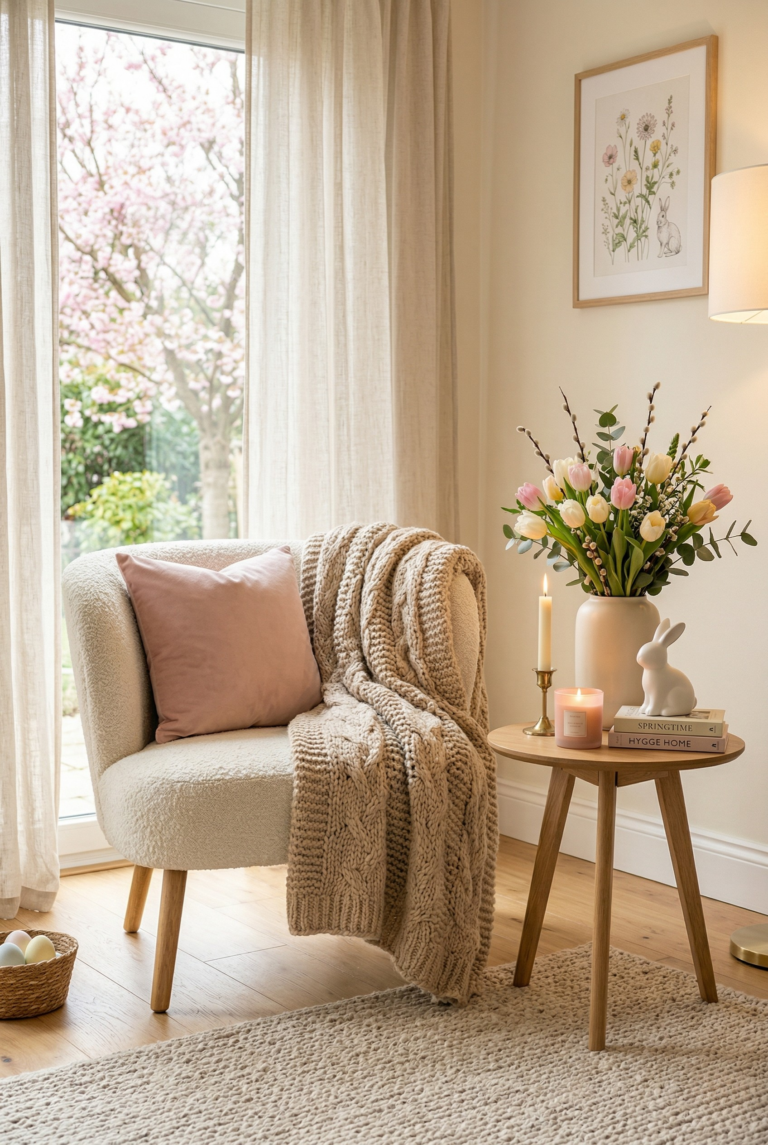
Minimalism doesn’t have to feel cold. Adding soft textures like linen, cotton, and wool creates warmth while maintaining simplicity.
This works because textures add depth without visual clutter. They make the space feel cozy while still clean and refined.
Incorporate textured throws, rugs, and cushions in neutral tones. Layer subtly without overwhelming the space.
Key elements include woven rugs, soft bedding, and textured fabrics. This is perfect for bedrooms and living areas.
Idea #8: Open Space Layouts for Better Flow
Minimalist design embraces open layouts that allow for easy movement and visual clarity. Avoid overcrowding rooms with too much furniture.
Open layouts work because they create a sense of freedom and flow, making even small spaces feel larger.
Arrange furniture with intention, leaving enough space between pieces. Focus on functionality and comfort.
Best elements include minimal furniture arrangements and clear walkways. This idea works well in apartments and modern homes.
Idea #9: Monochrome Color Schemes
A monochrome palette enhances minimalism by using variations of a single color. This creates a cohesive and sophisticated look.
It works because it eliminates contrast clutter, allowing the space to feel harmonious and balanced.
Choose one base color and layer it in different shades through furniture, decor, and textiles.
Key elements include tonal furniture, layered fabrics, and subtle contrasts. Ideal for modern and contemporary interiors.
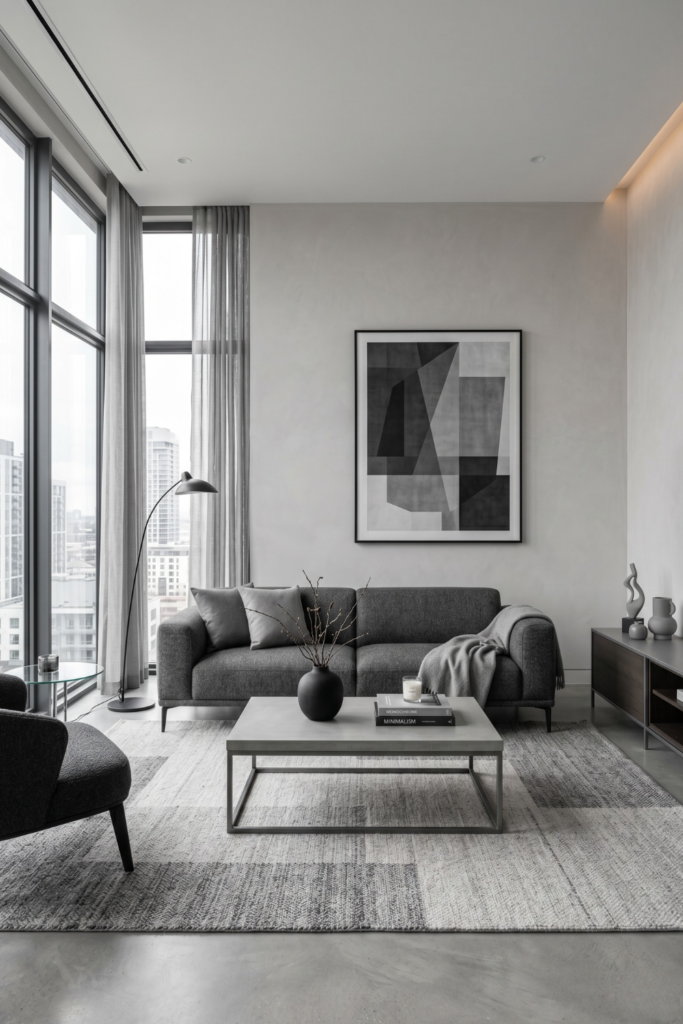
Idea #10: Simple Wall Decor with Purpose
Walls in a minimalist home should feel intentional, not empty or overcrowded. The key is to choose decor that adds meaning without excess.
This works because too many wall decorations can disrupt the clean aesthetic. A few well-placed pieces create balance.
Opt for one large artwork or a small curated gallery with consistent frames. Stick to neutral or subtle tones.
Best elements include abstract art, black frames, and simple prints. This works in living rooms, hallways, and bedrooms.
Idea #11: Indoor Plants for Organic Minimalism
Adding greenery introduces life and freshness into a minimalist space without overwhelming it. Plants bring a natural balance to clean interiors.
This works because plants soften the look of minimal spaces while keeping the decor simple and organic.
Choose low-maintenance plants like snake plants or fiddle leaf figs. Use neutral planters to maintain the aesthetic.
Key elements include ceramic pots, simple planters, and natural greenery. Ideal for corners and empty spaces.
Idea #12: Light Wood Accents for Scandinavian Touch
Light wood tones are a staple in Scandinavian minimalism, adding warmth and natural beauty to clean spaces.
This works because wood introduces texture and contrast while keeping the overall look simple and calm.
Use wood in furniture, flooring, or decor accents. Pair it with neutral colors for a balanced look.
Best elements include oak furniture, wooden tables, and subtle decor pieces. Perfect for living rooms and dining areas.
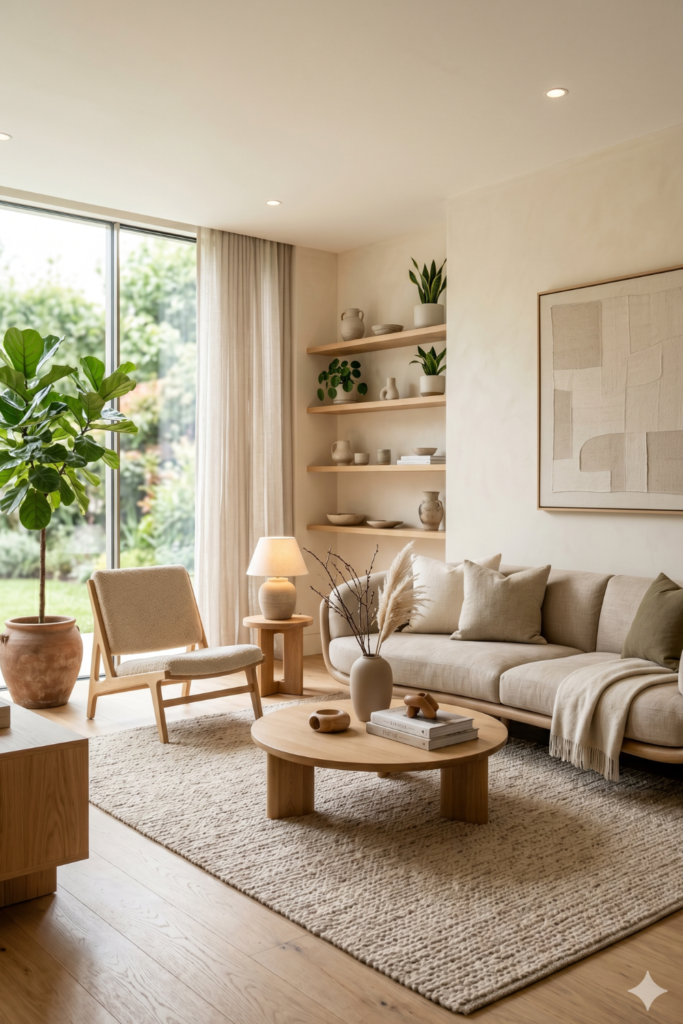
Idea #13: Minimalist Lighting Fixtures
Lighting in minimalist homes should be simple yet impactful. Clean-lined fixtures enhance the design without overwhelming it.
This works because lighting acts as both a functional and decorative element. The right fixture can elevate the entire space.
Choose pendant lights, floor lamps, or wall sconces with simple shapes and finishes. Avoid overly ornate designs.
Key elements include matte finishes, geometric shapes, and warm lighting. Suitable for all rooms.
Idea #14: Clutter-Free Entryways
The entryway sets the tone for your entire home. Keeping it minimal creates an instant sense of calm and organization.
This works because first impressions matter. A clean entryway makes your home feel more inviting and structured.
Use a simple console table, a mirror, and minimal decor. Add hidden storage for shoes and essentials.
Best elements include slim tables, neutral decor, and functional storage. Ideal for small spaces.
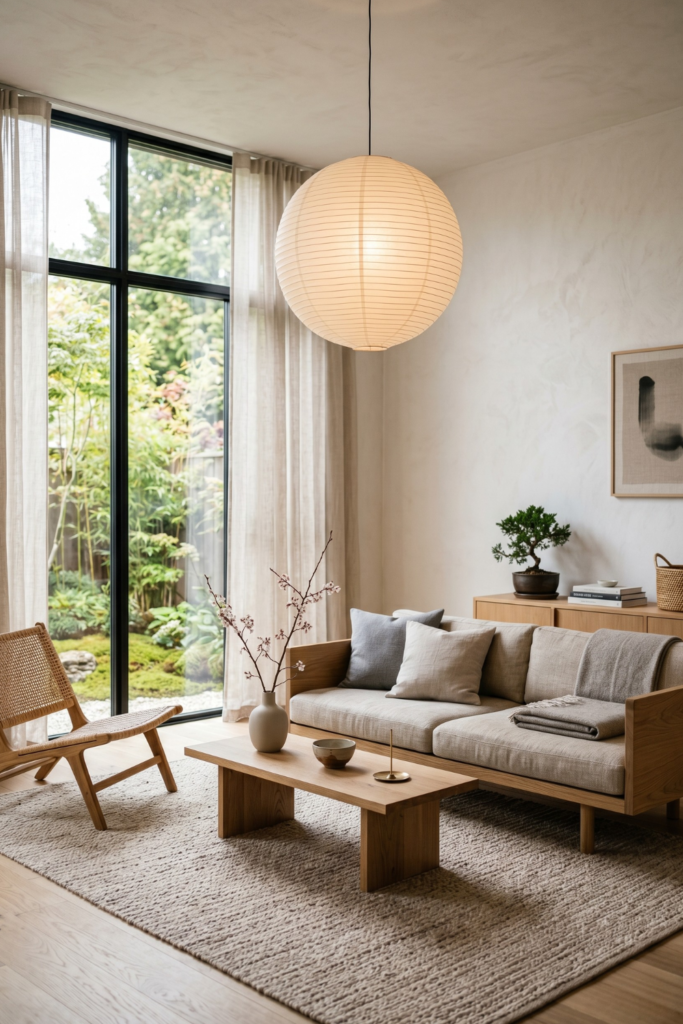
Idea #15: Japandi-Inspired Simplicity
Japandi style blends Japanese minimalism with Scandinavian warmth, creating a balanced and serene environment.
This works because it combines functionality with natural beauty, resulting in a space that feels both calm and inviting.
Use neutral tones, natural materials, and simple furniture. Focus on craftsmanship and intentional design.
Key elements include wood textures, soft fabrics, and clean lines. Perfect for creating a peaceful home atmosphere.
Conclusion
Minimalist home decor is more than just a design trend, it’s a lifestyle that brings clarity, calm, and purpose into your space. By focusing on simplicity, functionality, and intentional choices, you can create a home that feels both beautiful and peaceful.
Whether you start with neutral colors, declutter your surfaces, or invest in functional furniture, each step moves you closer to a clutter-free environment. The key is consistency and thoughtful design.
Start small, stay intentional, and enjoy the transformation as your home becomes a space that truly supports your lifestyle.