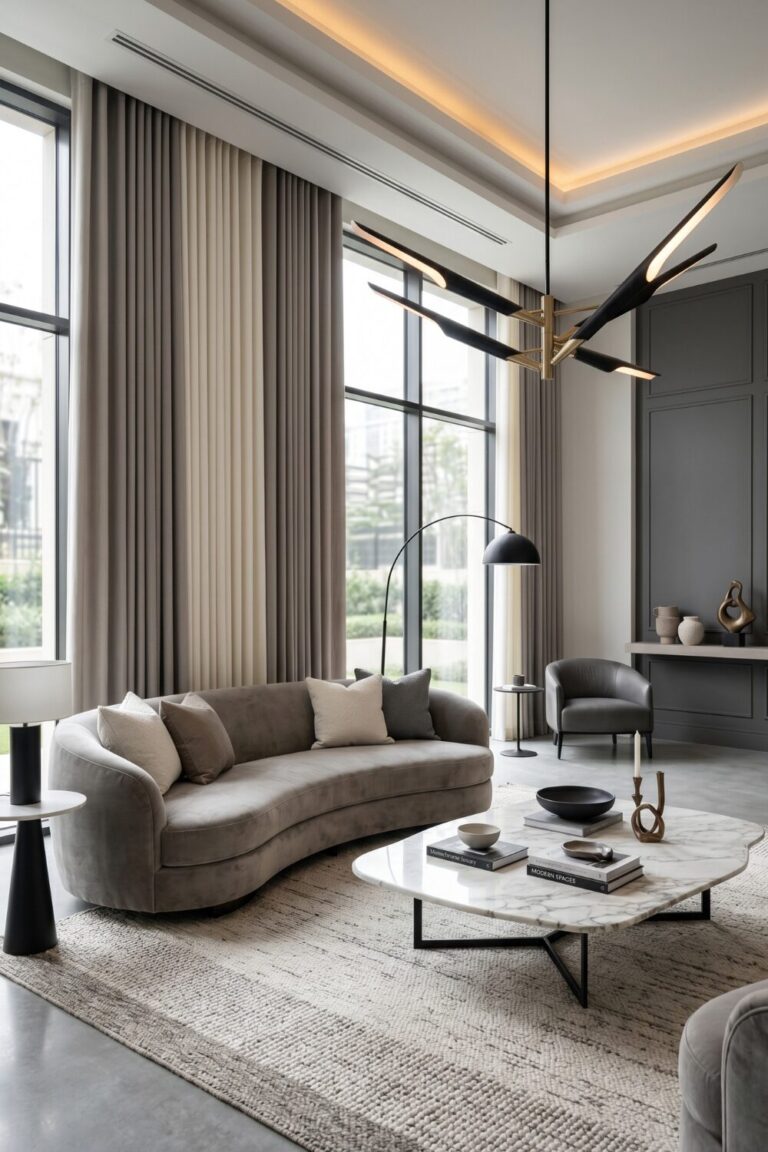
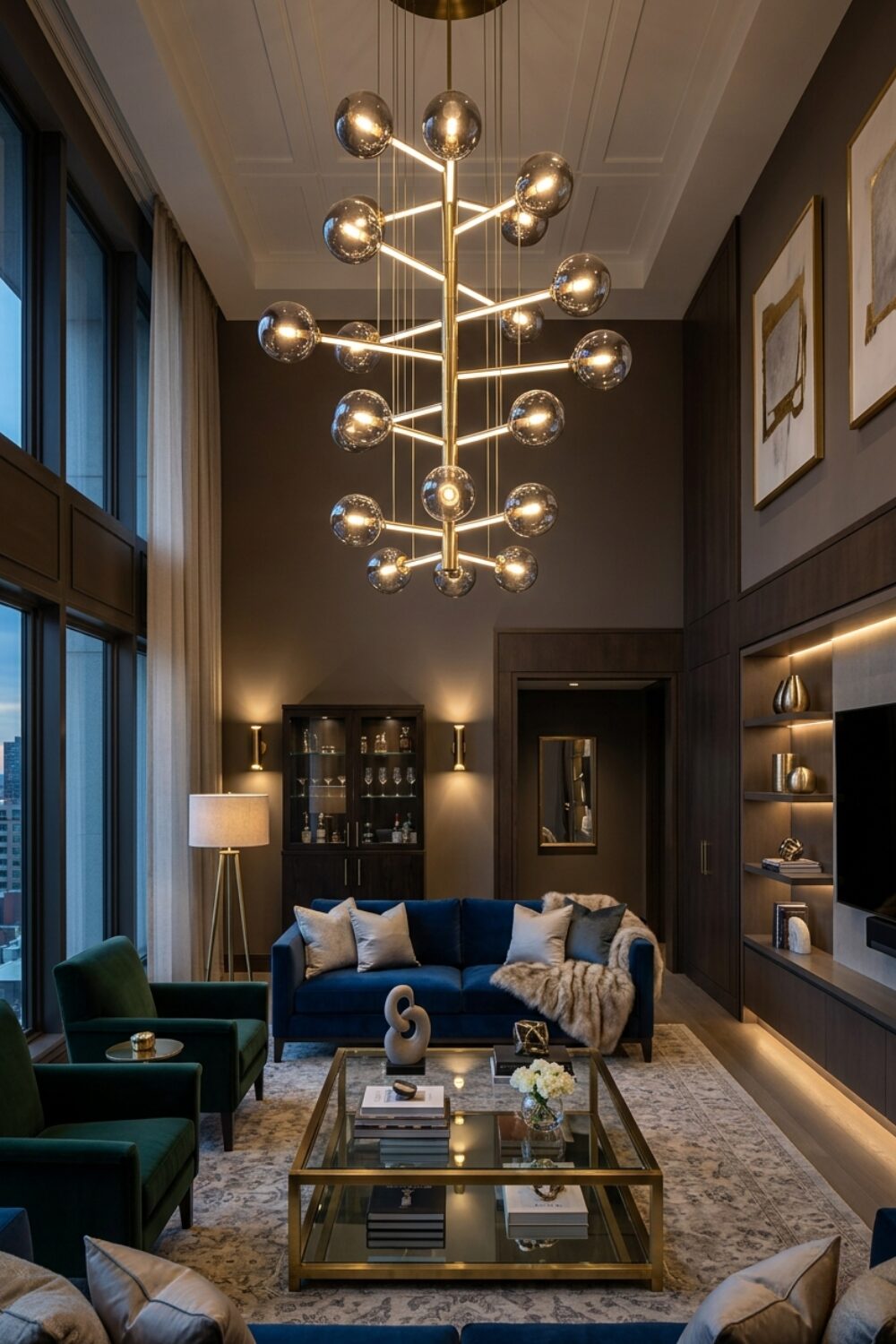
27 Living Room Styling Ideas for a Balanced and Elegant Look
Struggling to make your living room feel polished without looking overdone or mismatched? You’re not alone. Many spaces either feel too cluttered or too plain, missing that perfect balance between style and comfort.
The good news is that achieving a balanced and elegant living room isn’t about expensive makeovers, it’s about thoughtful styling. From layered textures and cohesive color palettes to intentional furniture placement, small design decisions can completely transform your space.
In this guide, you’ll discover carefully curated living room styling ideas that combine popular Pinterest aesthetics like modern, Japandi, coastal, and luxury styles, helping you create a space that feels harmonious, refined, and visually stunning.
Idea #1: Neutral Layered Color Palette for Soft Elegance
A neutral layered palette is the foundation of a balanced and elegant living room. Think soft whites, warm beiges, taupes, and subtle greys working together to create a calming visual flow.
This approach works because it eliminates visual chaos while allowing textures and shapes to shine. Instead of bold color clashes, you create depth through tonal variation, which feels more sophisticated and timeless.
To apply this, start with neutral walls and anchor your space with a light-colored sofa. Layer in cushions, throws, and rugs in slightly varied tones to build dimension without overwhelming the space.
Key elements include linen upholstery, textured rugs, and matte finishes. Add warmth with wooden accents or soft metallic decor to prevent the palette from feeling flat.
Idea #2: Symmetrical Layout for Visual Balance
Symmetry instantly creates a sense of order and elegance in any living room. Matching sofas, identical side tables, or paired lighting fixtures can bring structure to your layout.
This works particularly well in formal or transitional interiors, where balance is essential for a polished look. Symmetry helps the eye move naturally across the room, making the space feel calm and intentional.
To achieve this, position your main seating around a central focal point like a coffee table or fireplace. Use matching lamps or decor pieces on both sides to reinforce harmony.
Key elements include mirrored arrangements, structured furniture placement, and consistent spacing. Even in smaller spaces, you can use mini symmetry, like matching cushions, to create the same effect.
Idea #3: Statement Coffee Table Styling
A well-styled coffee table can act as the centerpiece of your living room. It’s not just functional, it’s a styling opportunity that reflects your aesthetic.
Use the “rule of three” to create a balanced arrangement: stack books, add a decorative object, and include a natural element like flowers or greenery. This creates visual interest without clutter.
Choose materials that complement your overall style, marble for luxury, wood for warmth, or glass for a modern touch.
Keep spacing intentional and avoid overcrowding. The goal is to create a curated look that feels effortless yet refined.
Idea #4: Japandi Minimalism with Warm Touches
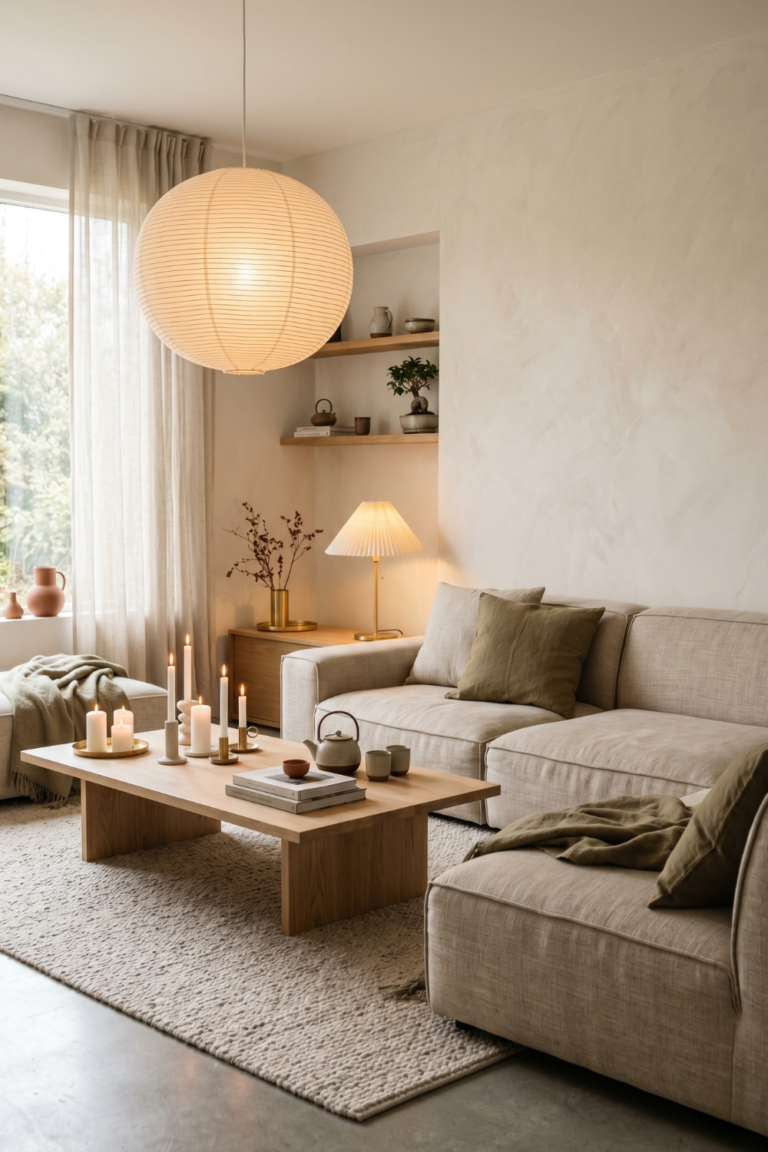
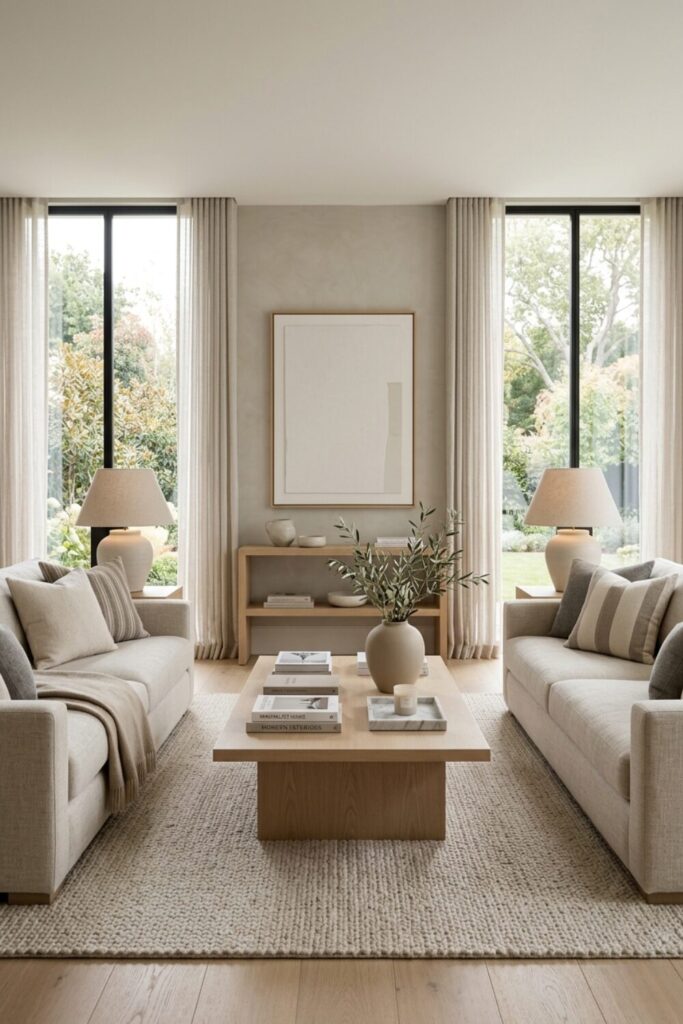
Japandi style blends Japanese minimalism with Scandinavian warmth, creating a perfectly balanced aesthetic. Clean lines, neutral tones, and functional decor define this look.
What makes it elegant is its simplicity, every piece has a purpose, and nothing feels excessive. This reduces visual noise while maintaining a cozy atmosphere.
To apply it, choose low-profile furniture, soft neutral colors, and natural materials like wood and linen. Add subtle decor like ceramic vases or simple artwork.
Key elements include uncluttered layouts, organic textures, and soft lighting. This style works beautifully in both small and large living rooms.
Idea #5: Coastal Elegance with Light and Airy Textures
A refined coastal style focuses on lightness and softness rather than beach-themed decor. Think airy curtains, pale woods, and soft blues blended with neutrals.
This works because it enhances natural light and creates a fresh, open feel. It’s especially effective in rooms with windows or bright lighting.
To achieve this look, use sheer fabrics, light-toned furniture, and subtle ocean-inspired accents. Avoid overly themed decor, keep it sophisticated.
Key elements include linen sofas, woven textures, and glass accessories. The result is a serene and elevated space.
Idea #6: Modern Luxury with Metallic Accents
For a high-end feel, incorporate modern luxury elements like gold, brass, or chrome accents. These instantly elevate your living room.
The key is balance, metallics should enhance, not dominate. Pair them with neutral tones and soft textures to maintain elegance.
Use metallic finishes in lighting, table legs, or decorative objects. Combine with velvet or plush fabrics for contrast.
Key elements include statement lighting, reflective surfaces, and rich materials. This style adds sophistication without overwhelming the space.
Idea #7: Organic Modern with Natural Materials
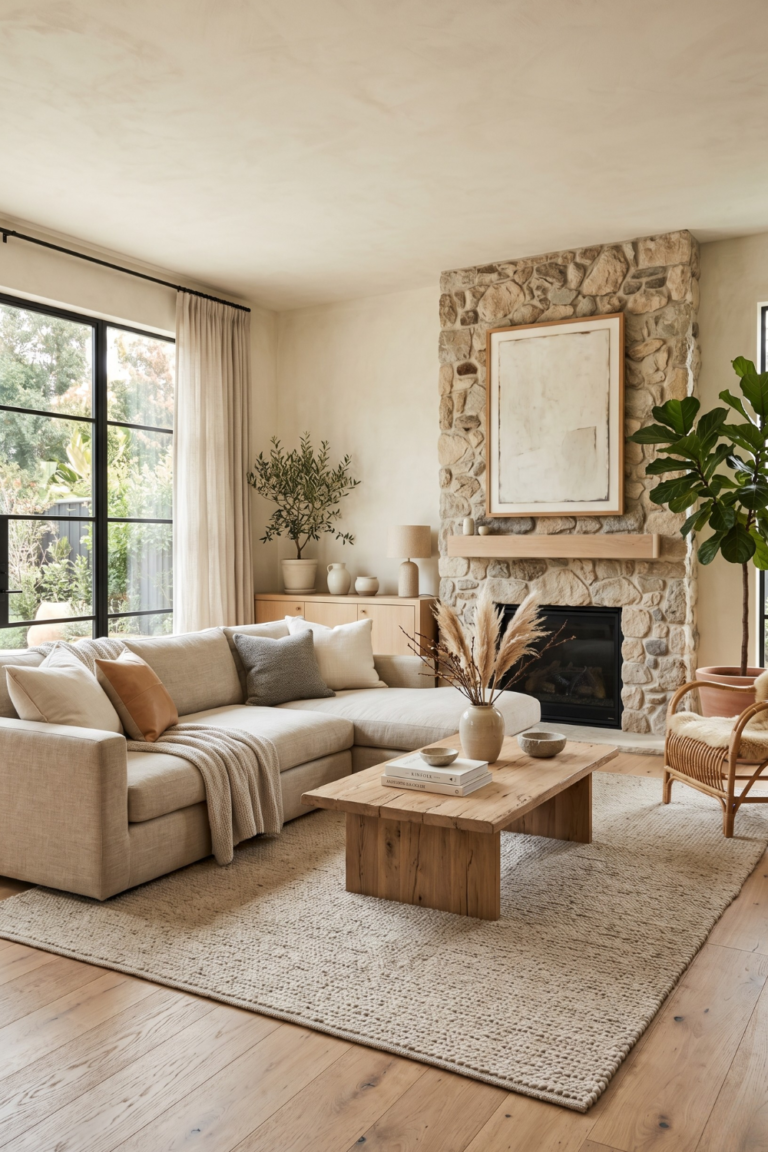
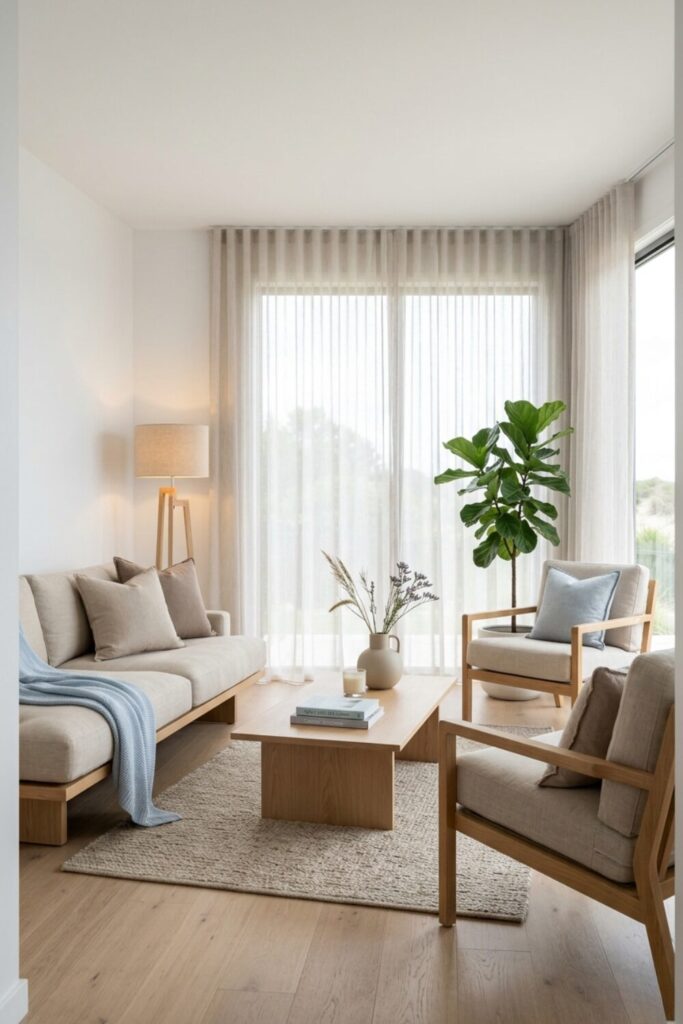
Organic modern style focuses on blending clean lines with natural elements. It creates a relaxed yet refined atmosphere.
This works because it brings warmth into modern interiors, making them feel more inviting. Materials like wood, stone, and linen play a key role.
To apply this, use neutral furniture and incorporate organic textures through decor and finishes. Add greenery for a fresh touch.
Key elements include curved furniture, earthy tones, and natural fibers. This style feels balanced and grounded.
Idea #8: Layered Lighting for Depth and Mood
Lighting is essential for creating an elegant living room. A mix of ambient, task, and accent lighting adds depth and warmth.
Instead of relying on one overhead light, combine floor lamps, table lamps, and wall sconces. This creates a layered effect that feels more dynamic.
Use warm lighting tones to enhance comfort and sophistication. Dimmer switches can also help control the mood.
Key elements include varied light sources, soft glow, and strategic placement. Lighting can completely transform how your space feels.
Idea #9: Textured Rugs for Grounded Styling
A textured rug anchors your living room and ties all elements together. It defines the space while adding warmth and depth.
Choose rugs with subtle patterns or natural textures like wool or jute. These enhance the design without overpowering it.
Make sure the rug is large enough to fit under your furniture—it helps create a cohesive layout.
Key elements include layered textures, neutral tones, and proper sizing. A well-chosen rug elevates the entire room.
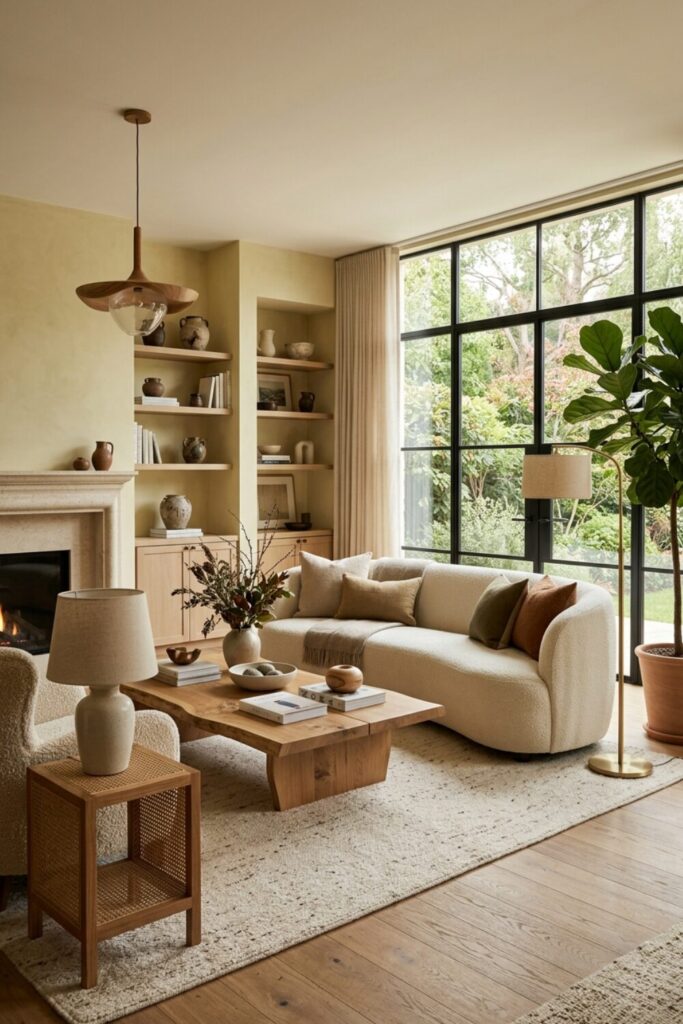
Idea #10: Statement Wall Art for Visual Focus
Wall art adds personality and creates a focal point in your living room. Large-scale artwork works especially well for an elegant look.
Choose pieces that complement your color palette and overall style. Abstract art, black-and-white photography, or minimalist prints are great options.
Hang artwork at eye level and keep spacing consistent. Avoid overcrowding walls, less is more for a refined aesthetic.
Key elements include cohesive framing, balanced placement, and intentional selection. Art should enhance, not distract.
Idea #11: Mixed Materials for Sophisticated Contrast
Combining different materials adds depth and interest to your living room. Think wood, metal, glass, and fabric working together.
This works because contrast creates visual richness without relying on bold colors. It keeps the space engaging yet balanced.
To apply this, mix textures across furniture and decor. For example, pair a wooden table with a glass vase and metal accents.
Key elements include varied finishes, subtle contrasts, and cohesive color tones.
Idea #12: Curated Decor for a Clutter-Free Look
Elegant spaces are never overcrowded. Carefully curated decor ensures every piece has purpose and meaning.
This approach works because it keeps the room visually calm while still expressing personality.
Choose a few standout pieces instead of filling every surface. Rotate decor seasonally to keep things fresh.
Key elements include intentional styling, minimal clutter, and cohesive themes.
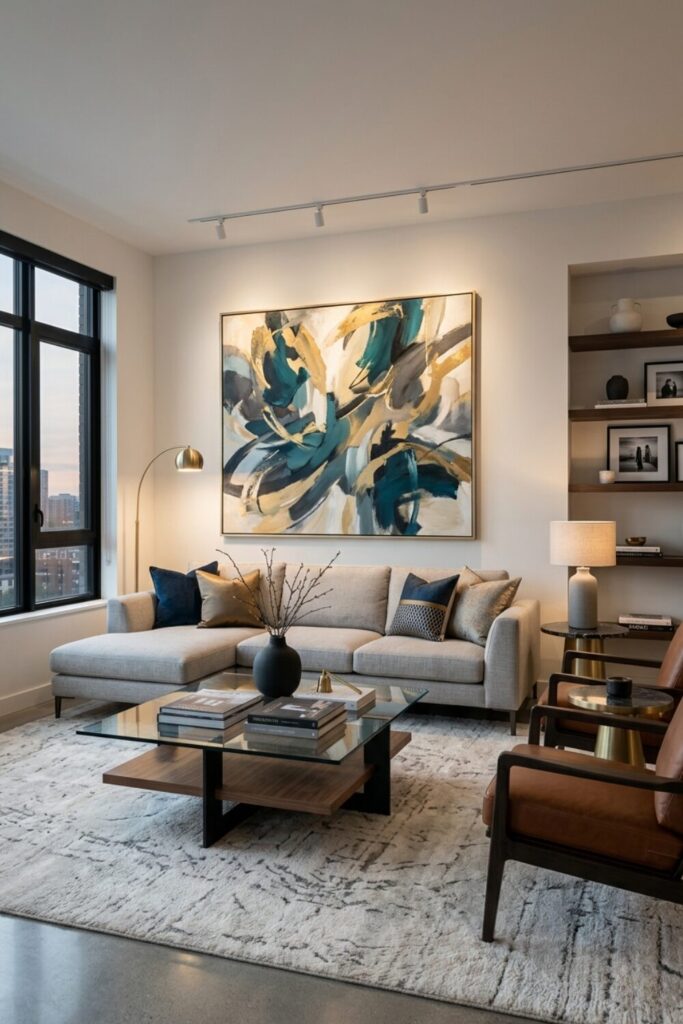
Idea #13: Soft Curtains for Flow and Movement
Curtains add softness and movement to your living room, enhancing its elegance.
Floor-length curtains in light fabrics create a sense of height and openness. Neutral tones work best for a refined look.
Mount curtains higher than the window frame to make ceilings appear taller.
Key elements include flowing fabrics, light colors, and proper placement.
Idea #14: Accent Chairs for Functional Styling
Accent chairs add both style and functionality to your living room.
Choose designs that complement your sofa while introducing subtle contrast.
Place them strategically to create conversation areas and balance the layout.
Key elements include unique shapes, comfortable materials, and cohesive colors.
Idea #15: Balanced Open Space for Breathing Room
Leaving intentional empty space is just as important as filling it.
This creates a sense of balance and prevents the room from feeling overcrowded.
Arrange furniture to allow easy movement and visual flow.
Key elements include spacing, layout planning, and restraint in decor.
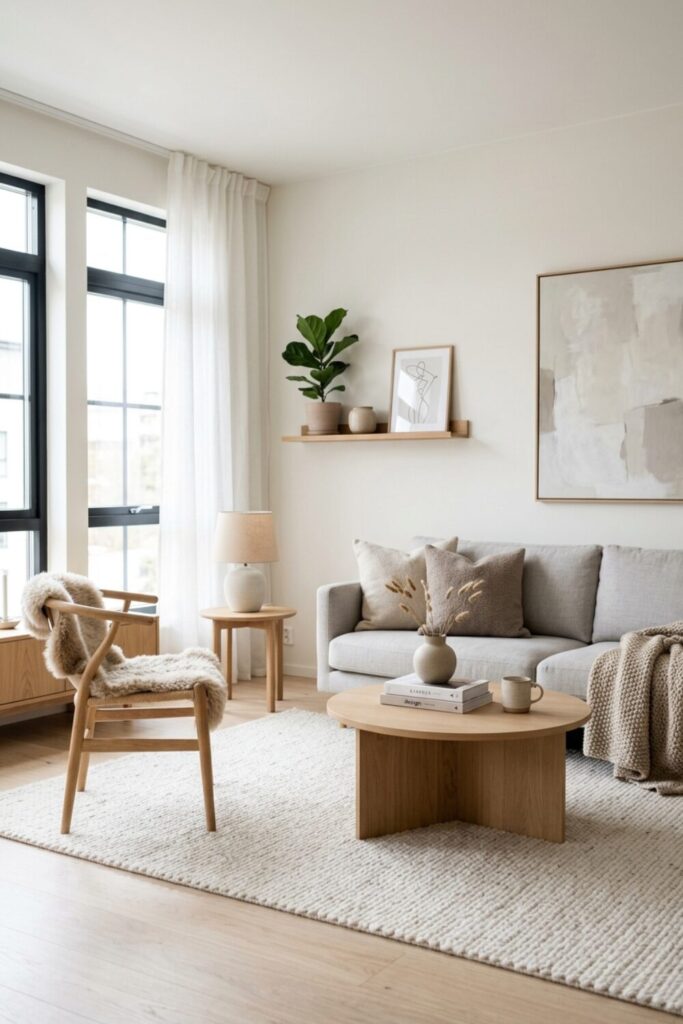
Idea #16: Sculptural Furniture for Artistic Balance
Sculptural furniture pieces can instantly elevate your living room into a more artistic and elegant space. These are not just functional items, they double as visual statements that add personality without clutter.
This works beautifully in modern and contemporary interiors where clean lines dominate. A curved sofa, an abstract coffee table, or a uniquely shaped chair introduces softness and visual intrigue, breaking the monotony of straight edges.
To apply this, choose one or two standout pieces rather than overloading the room. Let them shine by keeping surrounding decor minimal and cohesive.
Key elements include curved silhouettes, bold yet neutral finishes, and intentional placement. Sculptural furniture adds elegance through form rather than excess decoration.
Idea #17: Monochrome Palette with Subtle Contrast
A monochrome color scheme creates a refined and harmonious look while still allowing room for depth and interest. Shades of the same color, like layered greys or warm beiges, can feel incredibly sophisticated.
This works because it simplifies visual complexity, making the space feel cohesive and calming. The key is adding subtle contrast through textures and finishes rather than introducing new colors.
To achieve this, vary materials, combine matte walls with glossy decor, soft fabrics with structured furniture.
Key elements include tonal layering, material variation, and clean styling. This approach delivers elegance through restraint.
Idea #18: Glass and Reflective Surfaces for Light Play
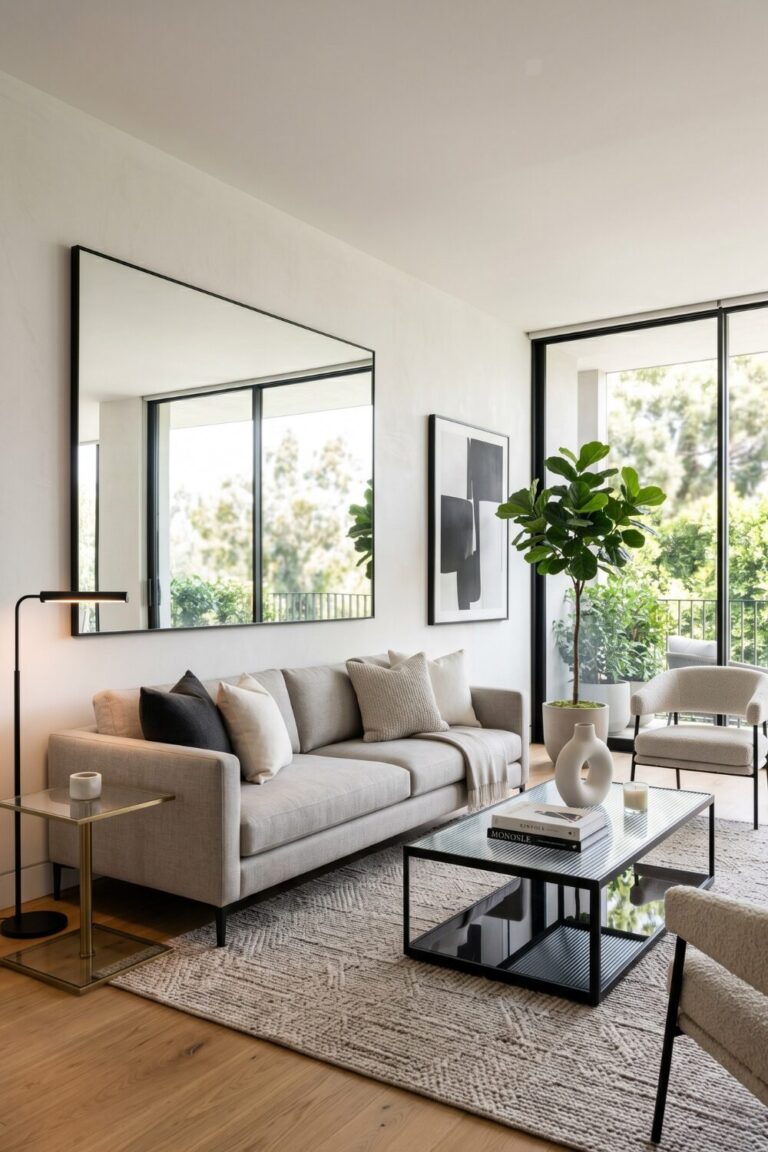
Glass elements bring lightness and openness to a living room, making the space feel larger and more refined. Reflective surfaces like mirrors or glossy finishes enhance this effect.
This works especially well in smaller or darker rooms where light needs to be amplified. Reflection adds depth and creates a more dynamic environment.
Incorporate glass coffee tables, mirrored decor, or sleek acrylic furniture. Balance these with soft textures to avoid a cold feel.
Key elements include transparency, reflection, and light enhancement. This style feels modern and effortlessly elegant.
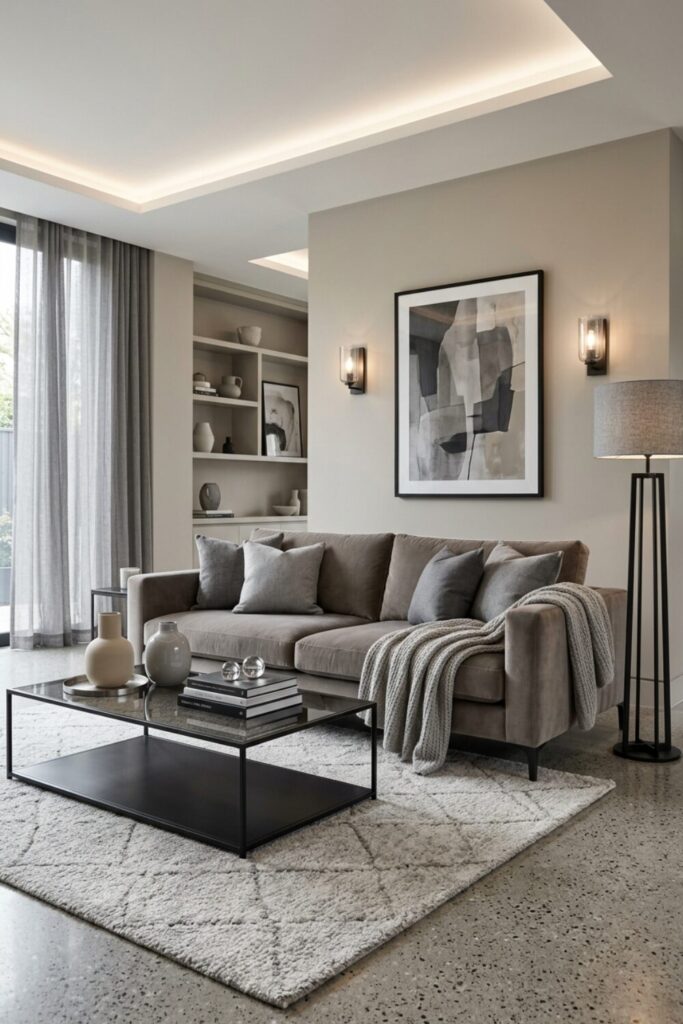
Idea #19: Transitional Style for Timeless Balance
Transitional design blends traditional and modern elements, creating a perfectly balanced and timeless living room. It avoids extremes, making it ideal for long-lasting elegance.
This works because it combines comfort with sophistication. Classic furniture shapes are updated with modern finishes and neutral tones.
To apply this, pair a traditional sofa with contemporary lighting or mix classic wood finishes with sleek decor.
Key elements include neutral palettes, subtle detailing, and balanced proportions. Transitional style feels polished without being overly formal.
Idea #20: Built-In Shelving for Organized Elegance
Built-in shelves provide both storage and styling opportunities while keeping your living room clutter-free.
This works because it creates structure and allows you to display decor in a curated way. It also makes the room feel more custom and high-end.
Style shelves with a mix of books, decorative objects, and natural elements. Use negative space to avoid overcrowding.
Key elements include symmetry, spacing, and thoughtful arrangement. Built-ins bring both function and refined aesthetics.
Idea #21: Soft Curves to Balance Sharp Lines
If your living room has a lot of straight edges, introducing curves can soften the overall look and create balance.
This works because contrast in shapes adds visual harmony. Curves feel more relaxed and inviting, complementing structured layouts.
Add round coffee tables, arched mirrors, or curved sofas to break up rigid lines.
Key elements include mixed shapes, smooth transitions, and cohesive styling. This creates a more dynamic yet balanced space.
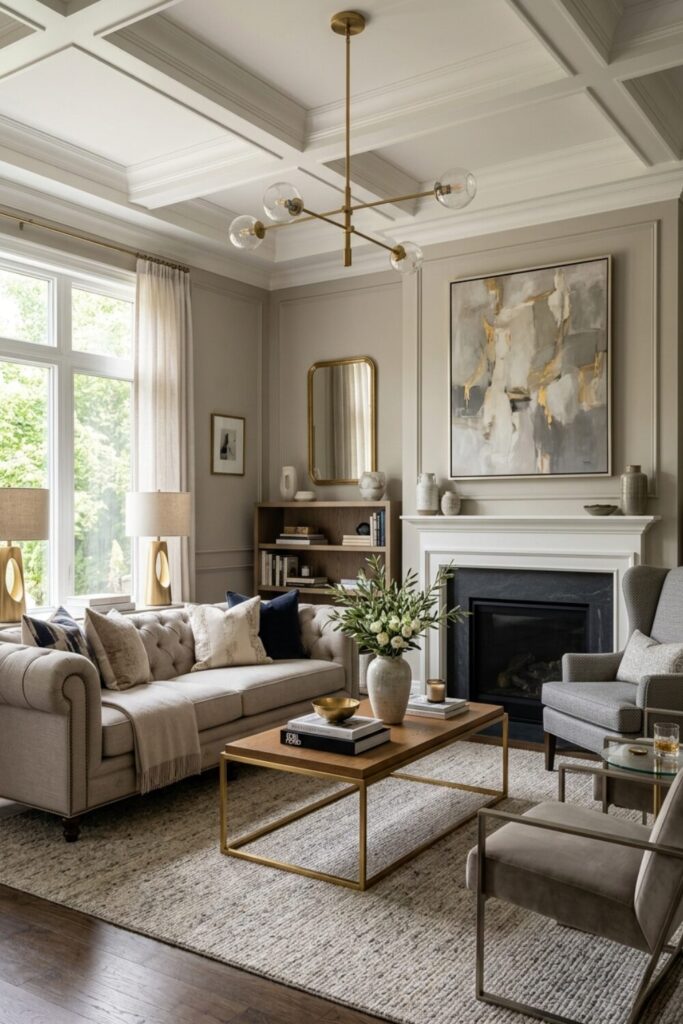
Idea #22: High-Contrast Accents for Subtle Drama
While neutral palettes dominate elegant spaces, a touch of contrast can add depth and sophistication. Black accents in a light room, for example, create a striking yet balanced look.
This works because contrast draws the eye and defines key areas without overwhelming the space.
Use contrast in small doses, through cushions, frames, or lighting fixtures. Keep the rest of the palette soft and cohesive.
Key elements include controlled contrast, minimal use, and strategic placement. This adds drama while maintaining elegance.
Idea #23: Minimalist Styling with Intentional Pieces
Minimalism is not about emptiness, it’s about choosing fewer, better pieces. A minimalist living room can feel incredibly elegant when done right.
This works because it removes distractions and highlights quality over quantity. Each piece becomes more impactful.
To achieve this, focus on clean lines, neutral tones, and functional furniture. Avoid unnecessary decor.
Key elements include simplicity, clarity, and purposeful design. This creates a calm and refined environment.
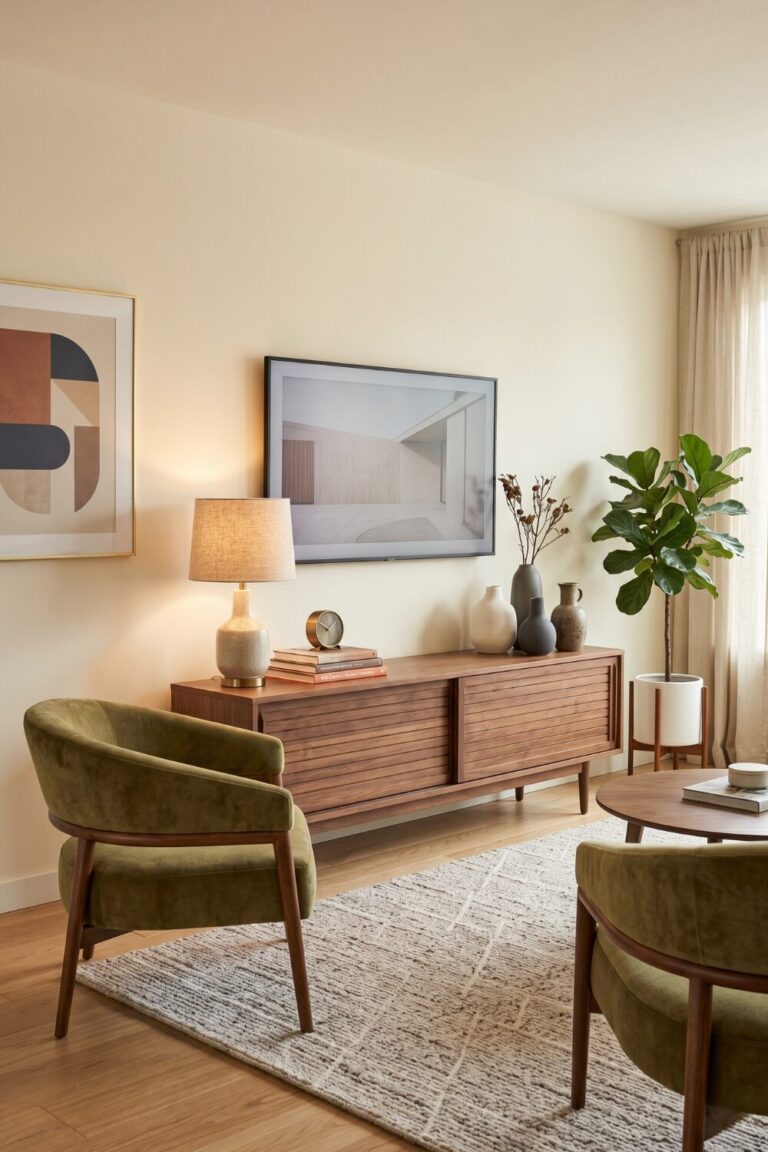
Idea #24: Warm Wood Tones for Natural Balance
Wood elements bring warmth and grounding to a living room, balancing out cooler tones and modern finishes.
This works because natural materials create a sense of comfort and connection to nature.
Incorporate wood through coffee tables, shelving, or flooring. Pair with soft fabrics for contrast.
Key elements include natural finishes, warm tones, and organic textures. This adds depth without overpowering the design.
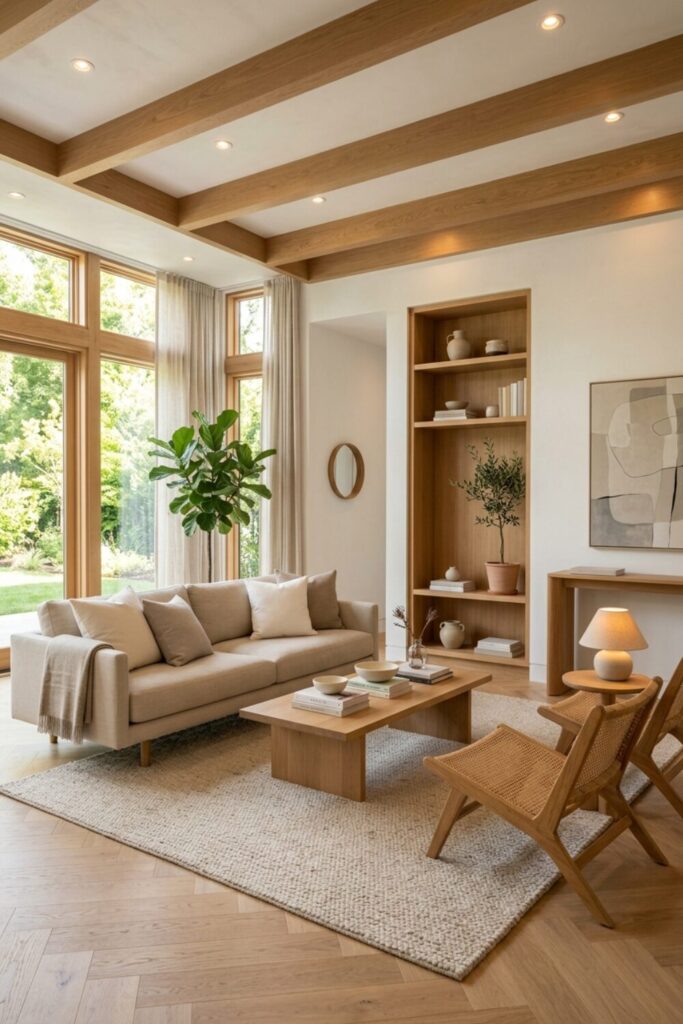
Idea #25: Statement Lighting as a Focal Point
Lighting can act as both function and decor. A statement chandelier or pendant light instantly elevates the room.
This works because it draws attention upward and anchors the space visually.
Choose lighting that complements your style, modern, industrial, or luxury. Keep surrounding decor balanced to avoid competition.
Key elements include scale, placement, and design cohesion. Statement lighting adds a touch of drama and elegance.
Idea #26: Layered Throw Textiles for Comfort and Style
Throws and cushions are small details that make a big impact. Layering different fabrics adds warmth and depth.
This works because textiles soften the space and make it feel more inviting without requiring major changes.
Mix materials like wool, linen, and cotton while keeping colors cohesive.
Key elements include texture variation, layering, and comfort. This enhances both style and usability.
Idea #27: Zoning the Space for Functional Flow
Creating zones within your living room helps maintain balance and organization, especially in open layouts.
This works because it defines areas for different activities without disrupting flow.
Use rugs, furniture placement, or lighting to subtly separate spaces.
Key elements include layout planning, visual separation, and cohesive styling.
Conclusion
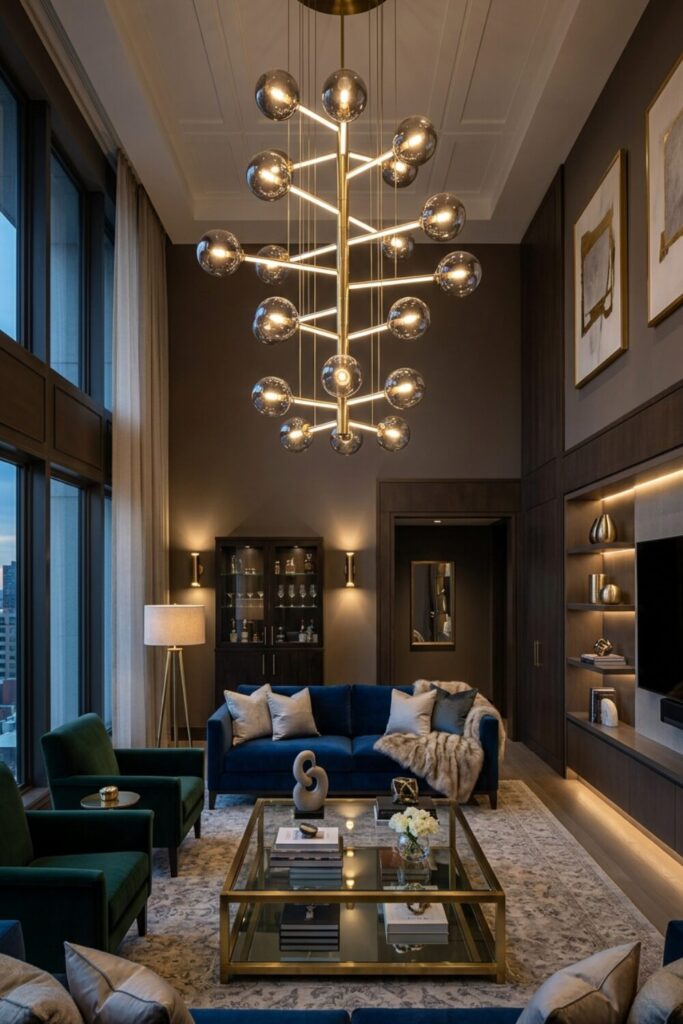
Designing a balanced and elegant living room is not about following strict rules, it’s about creating harmony between all elements in your space. From furniture placement and color palettes to textures and lighting, every detail plays a role in shaping the overall feel.
By mixing styles like Japandi, modern luxury, coastal, and organic modern, you can create a living room that feels layered, intentional, and uniquely yours. The key is to stay consistent, avoid overcrowding, and focus on thoughtful styling choices.
Take inspiration from these ideas, experiment with what resonates with your taste, and gradually build a space that feels both elevated and comfortable.