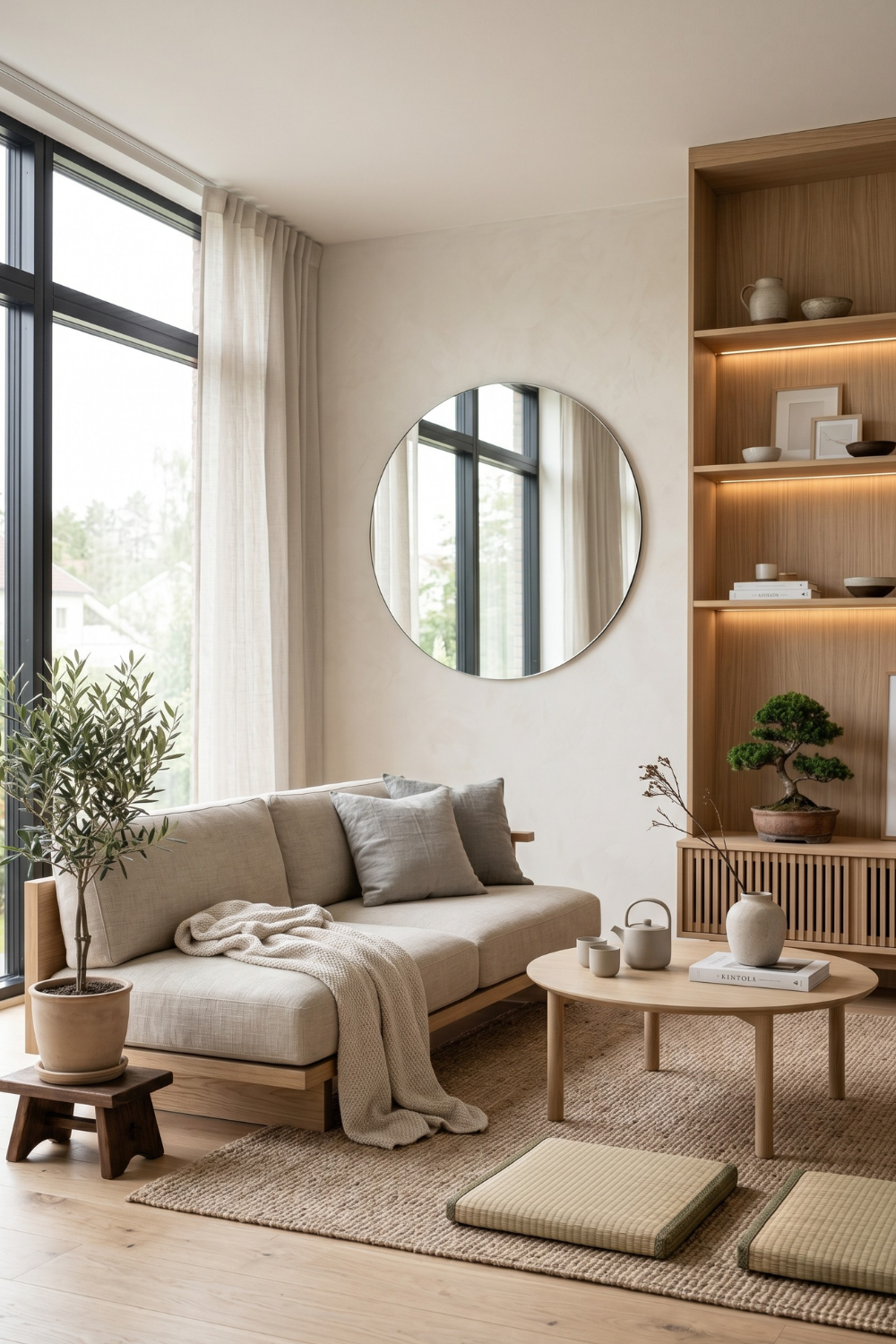
15 Small Living Room Ideas That Look Spacious & Stylish
Struggling to make your small living room feel open, airy, and actually stylish? You’re definitely not alone. Small spaces often feel cramped, cluttered, or just difficult to design in a way that feels both functional and beautiful.
The good news is, you don’t need more square footage to create a space that looks bigger and more elevated. With the right design choices, layouts, and decor styles, even the tiniest living room can feel surprisingly spacious and effortlessly chic.
In this guide, you’ll discover small living room ideas that blend smart styling with Pinterest-worthy aesthetics, from minimalist layouts to cozy boho textures and modern luxury touches. These ideas aren’t just pretty, they’re practical, helping you transform your space into something that feels open, organized, and truly inviting.
Idea #1: Light Neutral Color Palette for an Airy Feel
A light neutral color palette is one of the simplest yet most powerful ways to make a small living room feel more spacious. Shades like soft white, warm beige, light gray, and creamy taupe reflect natural light, instantly opening up the space and making it feel less confined.
These colors work especially well because they reduce visual clutter and create a seamless flow across walls, furniture, and decor. Instead of sharp contrasts, the soft transitions between tones help the room feel cohesive and calm.
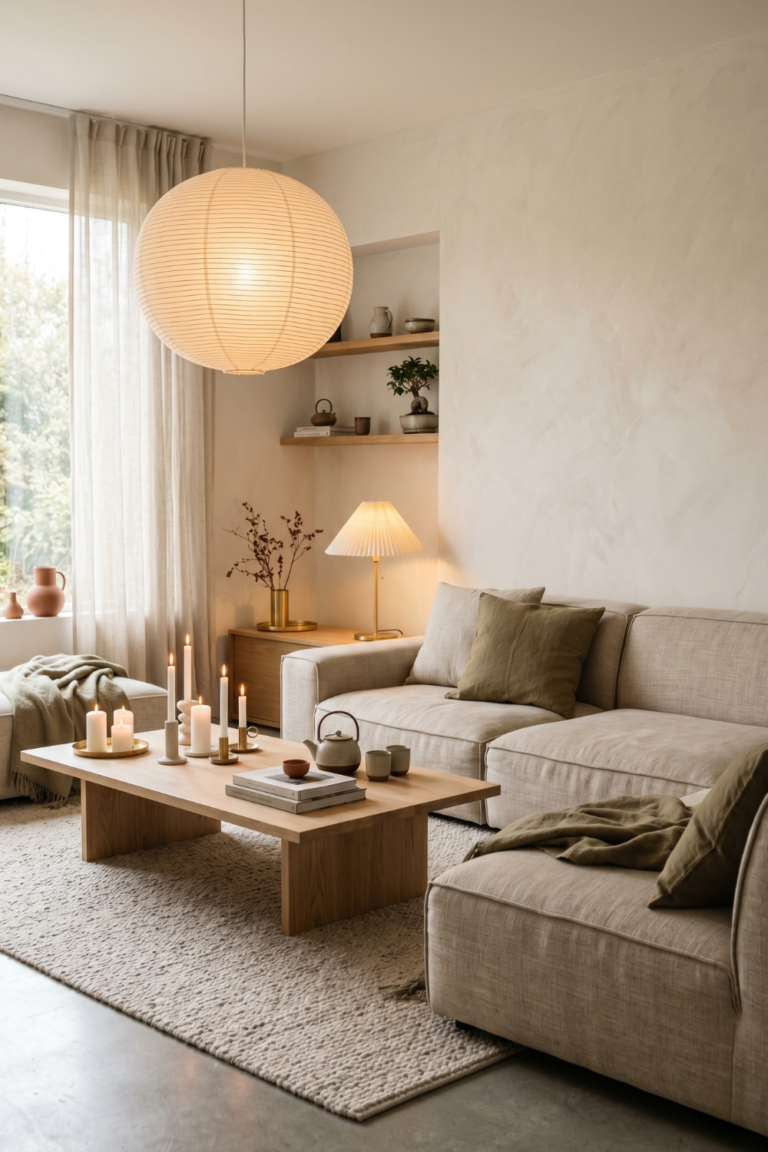
To apply this idea, start with neutral walls and build around them with a light-colored sofa, soft area rugs, and subtle decor accents. You can add depth through textures, like linen cushions or woven throws, without overwhelming the space. This approach is perfect for minimalist, Scandinavian, or modern interiors where simplicity enhances the feeling of openness.
Idea #2: Multi-Functional Furniture for Smart Living
When space is limited, every piece of furniture should serve more than one purpose. Multi-functional furniture, like storage ottomans, sofa beds, or nesting tables—helps maximize usability without overcrowding your living room.
This approach works because it reduces the number of items you need, which automatically makes the room feel less cluttered and more breathable. Instead of adding extra storage units, you’re integrating functionality directly into your existing furniture.
For example, choose a coffee table with hidden storage to keep books, remotes, or blankets out of sight. A sleek sofa bed can double as a guest sleeping area without taking up additional space. This idea fits beautifully into modern, contemporary, and small apartment living, where efficiency meets style.
Idea #3: Mirrors to Visually Double the Space
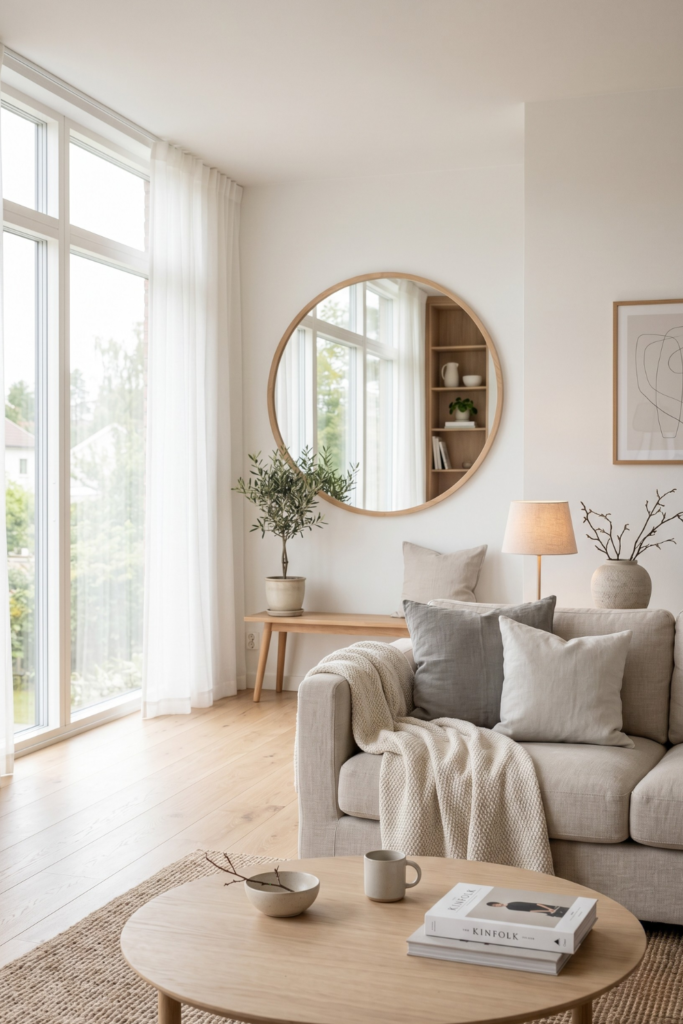
Mirrors are a classic design trick for making small spaces feel larger, and they work exceptionally well in living rooms. By reflecting light and creating the illusion of depth, mirrors can visually double the size of your space.
Placing a large mirror opposite a window allows natural light to bounce around the room, making it feel brighter and more open. Even smaller decorative mirrors can enhance the sense of space when arranged thoughtfully.
To achieve this look, opt for a statement mirror with a sleek frame for a modern feel or a vintage-style mirror for a more eclectic or boho aesthetic. Position it strategically, behind a sofa or above a console table—to maximize its impact without overwhelming the room.
Idea #4: Low-Profile Furniture for a More Open Look
Low-profile furniture is a subtle yet highly effective way to make a small living room feel bigger. Sofas, chairs, and tables that sit closer to the ground create the illusion of higher ceilings, which instantly opens up the space visually.
This design works because it creates more vertical breathing room, allowing your eyes to move freely upward without interruption. The result is a room that feels less cramped and more expansive.
Choose a sleek, low-back sofa with clean lines and pair it with a minimalist coffee table. Avoid bulky or overly tall furniture pieces that can dominate the space. This style fits perfectly within modern, Japandi, and contemporary interiors where simplicity and proportion play a key role.
Idea #5: Use Vertical Space with Wall-Mounted Storage
When floor space is limited, the best solution is to think vertically. Wall-mounted shelves, floating cabinets, and vertical storage units help you maximize space without making the room feel crowded.
This approach works because it keeps the floor clear, which is essential for maintaining an open and airy layout. The more visible floor space you have, the larger the room appears.
Install floating shelves to display decor, books, or plants while keeping everything organized. You can also use wall-mounted media units instead of bulky TV stands. This idea blends beautifully with minimalist and Scandinavian styles, where clean lines and functional design are prioritized.
Idea #6: Glass and Acrylic Furniture for Visual Lightness
Transparent furniture pieces, like glass coffee tables or acrylic chairs, are perfect for small living rooms because they take up less visual space. Even though they serve the same function as traditional furniture, they don’t visually “block” the room.
This creates a lighter, more open feel, making the space appear less crowded. It’s a subtle design trick that can make a noticeable difference, especially in compact layouts.
To apply this idea, swap out a bulky wooden coffee table for a glass one or use acrylic side tables for a modern touch. These materials work especially well in contemporary, modern luxury, and minimalist interiors, adding elegance without heaviness.
Idea #7: Strategic Lighting to Open Up the Room
Lighting plays a crucial role in how spacious a room feels. A well-lit living room appears larger, warmer, and more inviting compared to a dim or unevenly lit space.
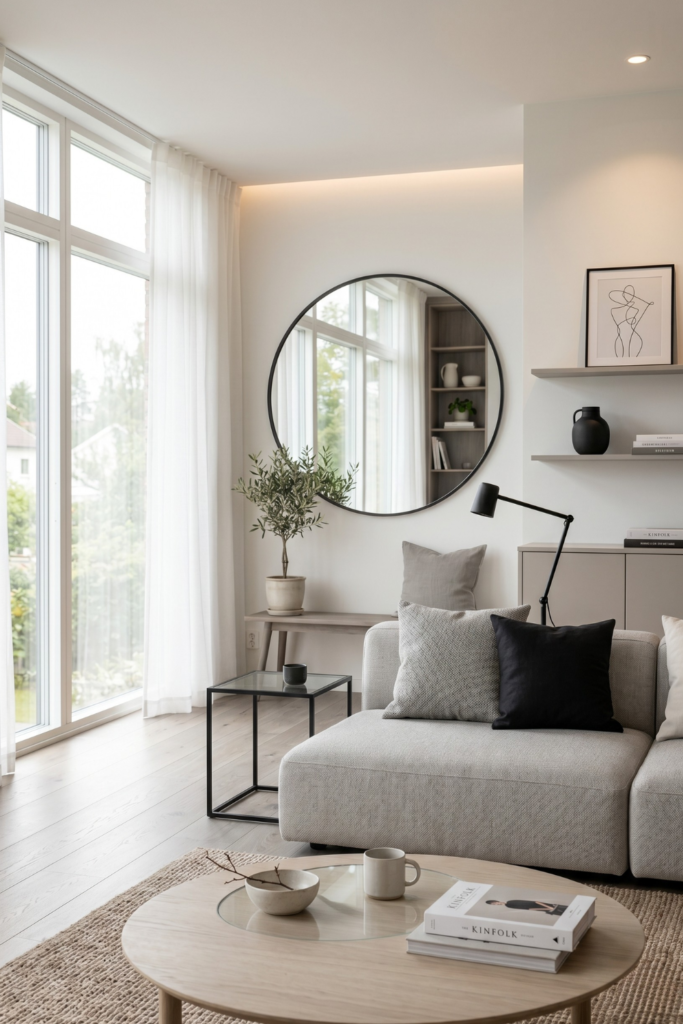
Layered lighting, combining ambient, task, and accent lighting, helps eliminate dark corners that can make a room feel smaller. Floor lamps, wall sconces, and table lamps can all work together to create a balanced lighting setup.
For best results, use warm lighting to create a cozy atmosphere while ensuring enough brightness to keep the space open. Natural light should also be maximized by using sheer curtains instead of heavy drapes. This idea works across all styles, from modern to boho to transitional spaces.
Idea #8: Minimalist Layout with Fewer, Better Pieces
A cluttered living room instantly feels smaller, no matter its actual size. A minimalist layout focuses on fewer, high-quality pieces that serve both functional and aesthetic purposes.
This works because it reduces visual noise, allowing each element in the room to stand out without overwhelming the space. Clean lines and intentional spacing create a sense of order and openness.
Start by removing unnecessary items and keeping only essential furniture. Choose pieces with simple designs and avoid overcrowding the room with decor. This approach is ideal for minimalist, Japandi, and modern interiors, where simplicity enhances both style and functionality.
Idea #9: Rugs That Define Without Overcrowding
Rugs can help define your living area, but choosing the right size and style is key in a small space. A well-proportioned rug can anchor your furniture while maintaining a sense of openness.
Avoid rugs that are too small, as they can make the room feel disjointed. Instead, opt for a rug that fits under your main furniture pieces, creating a cohesive layout.
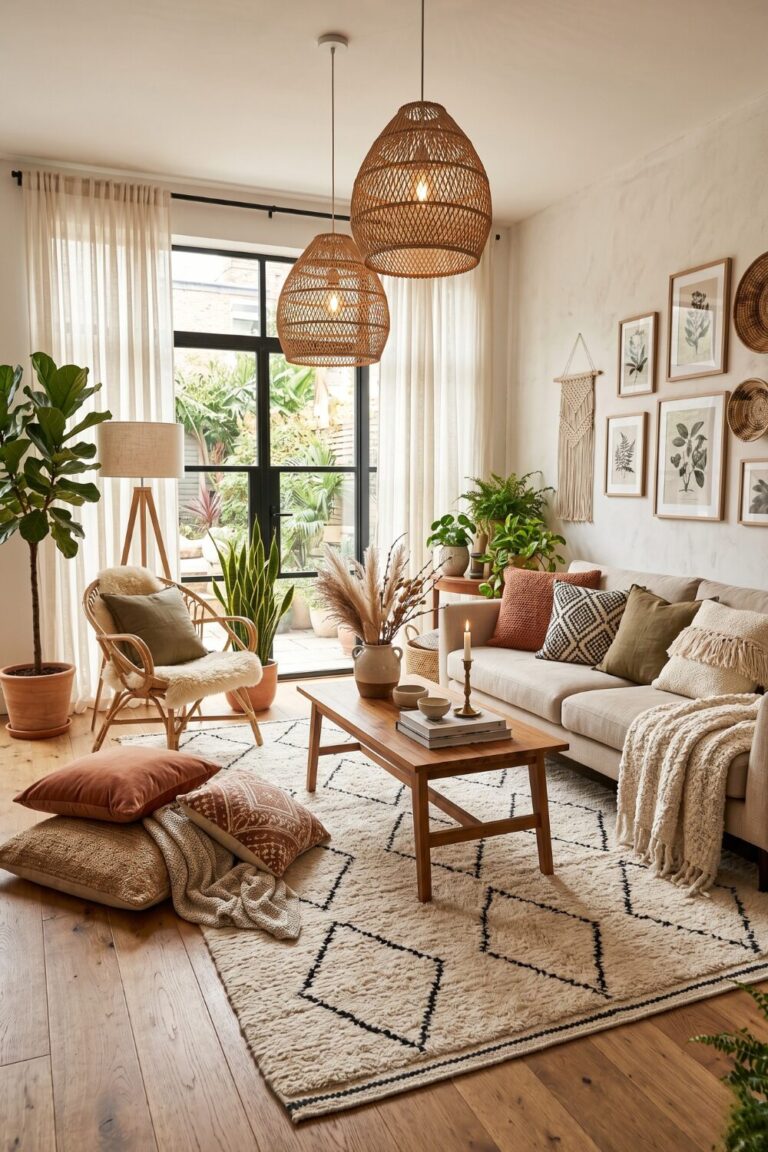
Light-colored or subtly patterned rugs work best because they don’t visually shrink the space. This idea fits seamlessly into boho, Scandinavian, and modern styles, adding warmth and texture without overwhelming the room.
Idea #10: Floor-to-Ceiling Curtains to Add Height
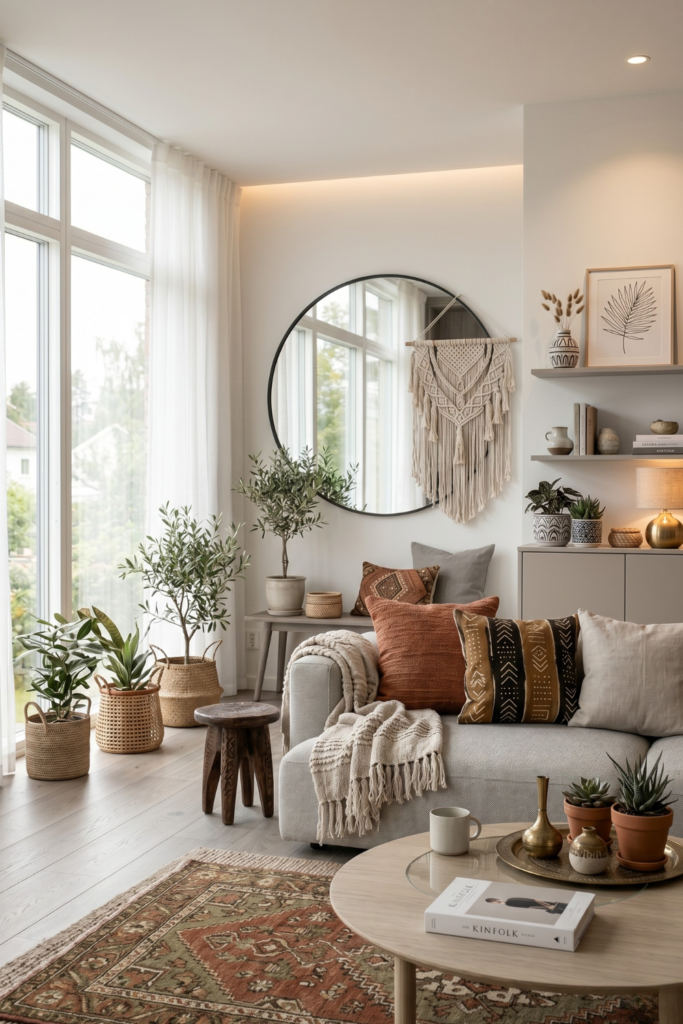
One of the easiest ways to make a small living room feel taller and more spacious is by using floor-to-ceiling curtains. Hanging curtains higher than the window frame draws the eye upward, creating the illusion of height.
This works because it visually extends the walls, making the room feel larger than it actually is. Instead of focusing on the window’s actual size, the full-length drapery creates a grand, elongated effect.
To achieve this, mount your curtain rod close to the ceiling and let the fabric gently touch the floor. Choose light, airy fabrics like linen or sheer cotton to keep the space feeling open. This technique fits beautifully in modern, transitional, and Scandinavian interiors.
Idea #11: Floating Furniture Layout for Better Flow
Instead of pushing all your furniture against the walls, try a floating layout. This means placing your sofa or chairs slightly away from the walls to create a more intentional and balanced arrangement.
It may sound counterintuitive, but this approach actually improves flow and makes the room feel more spacious. When furniture is too tightly packed against walls, the center of the room can feel empty and disconnected.
To apply this, position your sofa around a central rug and coffee table, leaving a bit of breathing room behind it. This layout works especially well in modern and contemporary spaces, creating a more curated and designer-like feel.
Idea #12: Built-In Storage for a Seamless Look
Built-in storage is a game-changer for small living rooms. Custom shelving units, wall niches, or built-in cabinets provide ample storage without disrupting the visual flow of the space.
This works because built-ins blend seamlessly with the architecture of the room, unlike bulky standalone furniture that can make the space feel crowded. The result is a clean, streamlined appearance.
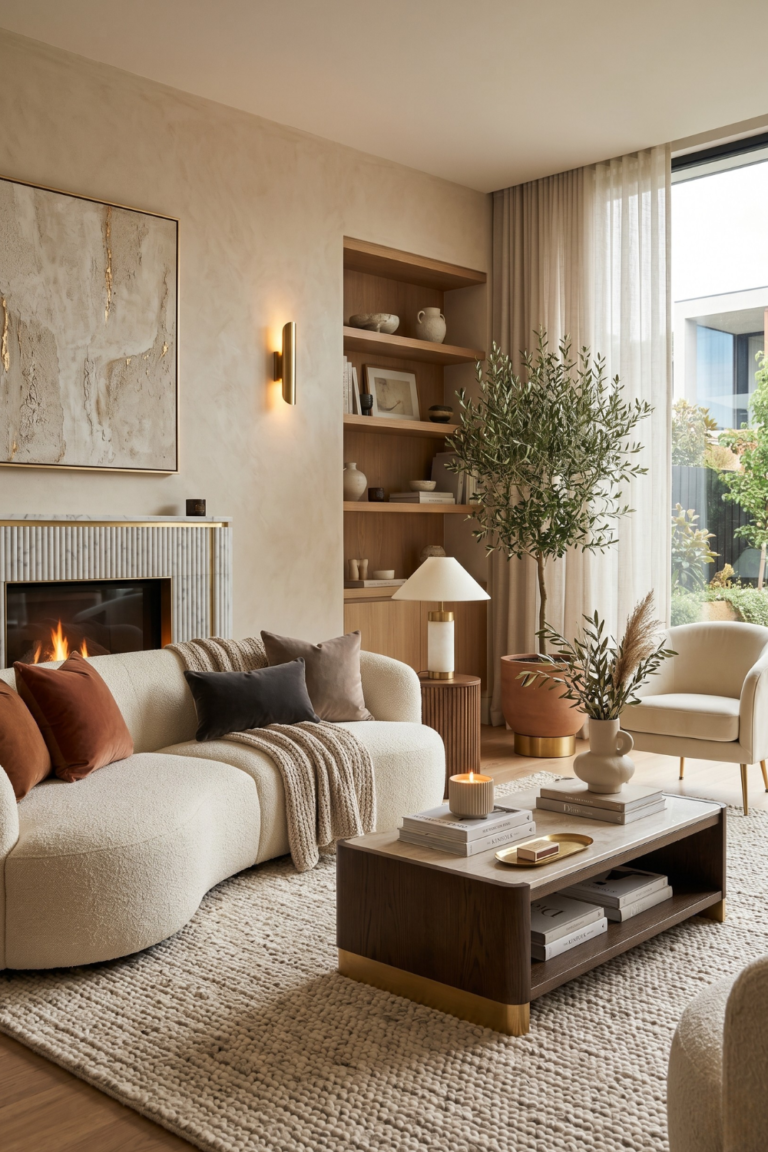
You can use built-ins to store books, decor, or media equipment while keeping everything organized and out of sight. This idea is perfect for modern, luxury, and transitional interiors where clean lines and functionality are key.
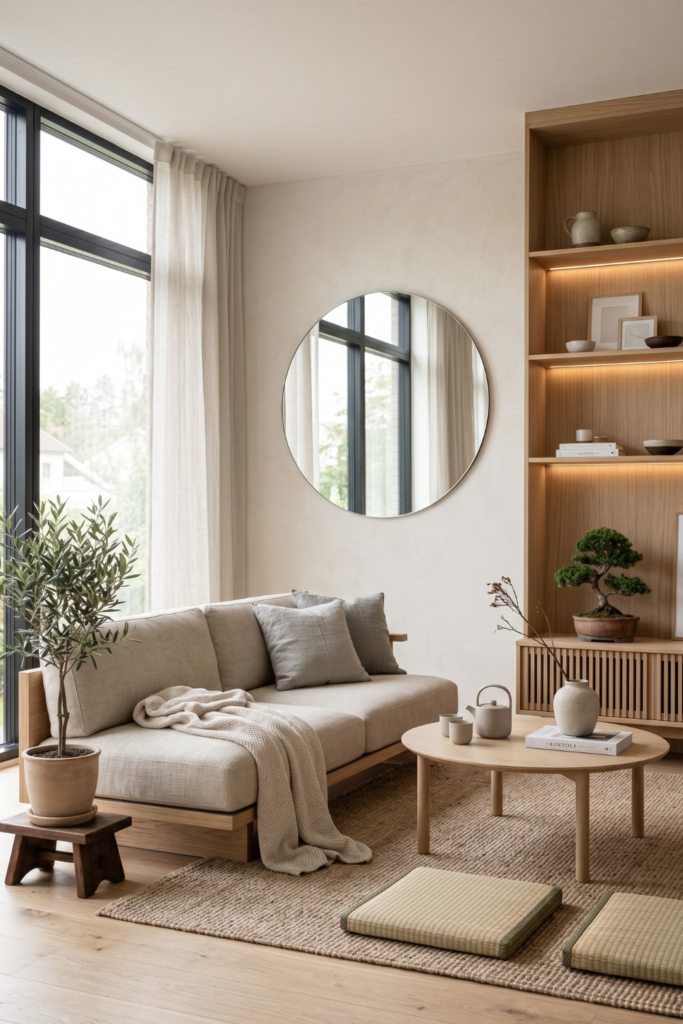
Idea #13: Monochrome Color Scheme for Cohesion
A monochrome color scheme, using varying shades of a single color, creates a cohesive and visually expansive look. Instead of breaking up the space with multiple contrasting colors, this approach keeps everything flowing seamlessly.
This works because it eliminates harsh visual divisions, allowing the eye to move freely across the room. The result is a calm, unified space that feels larger and more refined.
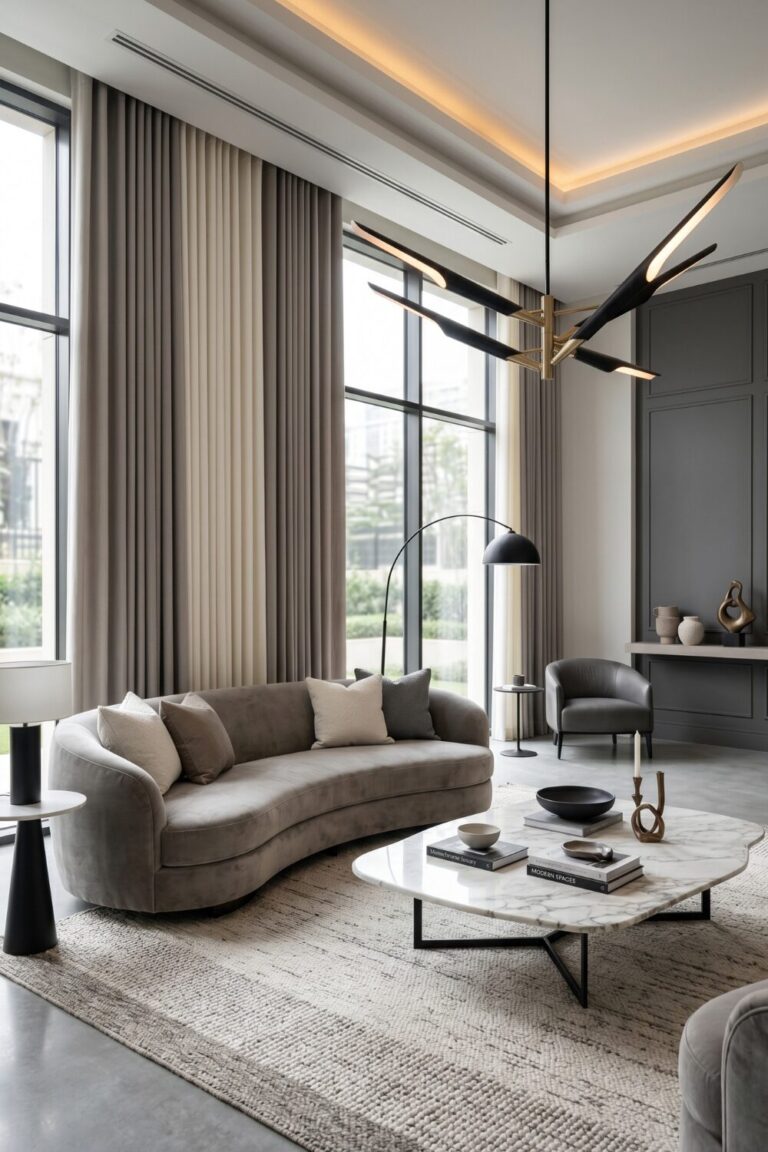
To implement this, choose a base color like soft gray, beige, or off-white, and layer different tones through furniture, textiles, and decor. This idea fits perfectly within minimalist, modern, and luxury interiors.
Idea #14: Compact Sectionals for Maximum Seating
If you need ample seating but have limited space, a compact sectional sofa is a smart solution. Unlike multiple chairs, a sectional provides more seating while maintaining a clean, unified look.
This works because it reduces the number of separate furniture pieces, which helps the room feel less cluttered. It also makes better use of corners, maximizing available space.
Choose a slim-profile sectional with clean lines and light upholstery to keep the room feeling open. This idea works well in contemporary, modern, and small apartment layouts.
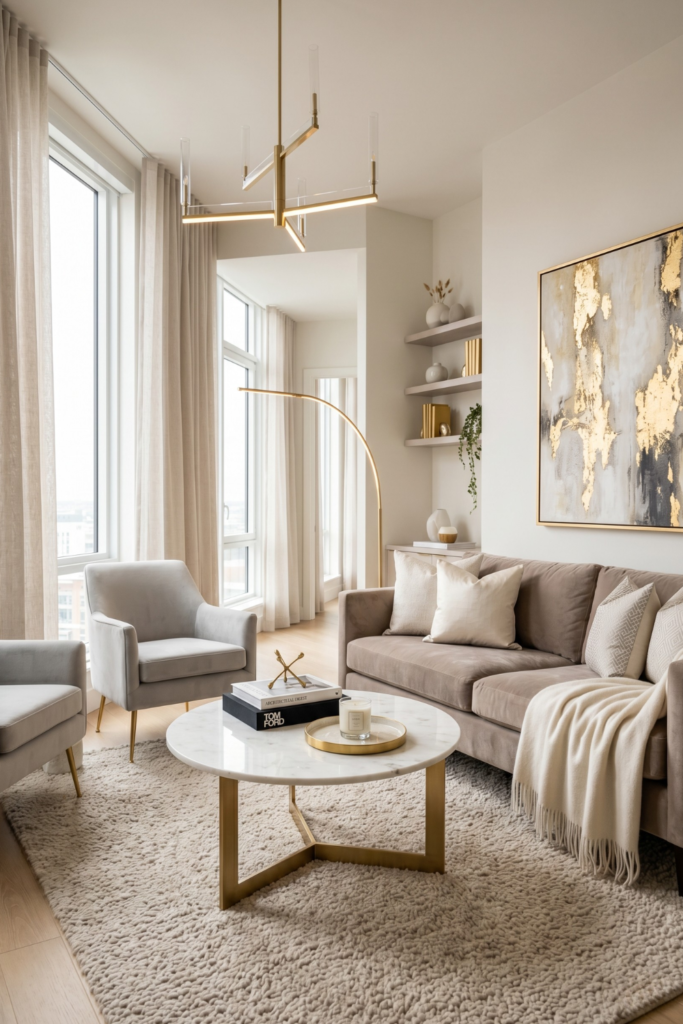
Idea #15: Statement Art Without Overcrowding
Decorating a small living room doesn’t mean filling every wall with items. Instead, choose one or two statement art pieces that draw attention without overwhelming the space.
This works because it creates a focal point while maintaining visual simplicity. Too many small decor items can make the room feel busy and cluttered.
Opt for large-scale artwork with soft tones or minimal designs to enhance the spacious feel. This approach blends beautifully with modern, boho, and contemporary interiors, adding personality without sacrificing openness.
Conclusion
Designing a small living room that feels both spacious and stylish is all about smart choices and intentional design. From light color palettes and multi-functional furniture to strategic lighting and minimalist layouts, each idea works together to create a space that feels open, organized, and visually appealing.
You don’t need a large room to achieve a high-end, Pinterest-worthy look—just the right combination of layout, textures, and design elements. Start with a few of these ideas, mix styles that reflect your personality, and gradually transform your space into a living room that feels bigger, brighter, and beautifully put together.